Before this class, I thought that the design process was strictly about a product’s UI and UX. I knew that research in the product space and domain being built in influenced the UI/UX, but I thought that the research process and design process were separate. Now I know that the research process is in fact the majority of the design process (we only began to build a clickable prototype in the last two weeks), and that this research process is vital to designing.
My internship experience this past summer made more sense after taking this class. Last summer, I did a software engineering internship at a company that seriously considered and prioritized design. I worked with an incredibly skilled designer who I felt had an intuition for effective solutions. At the time, I thought their abilities came solely from their decade of experience, and that if I really wanted to learn these skills then I’d have to strictly pursue design despite my love for coding. However, taking this class helped me understand that their design knowledge, in part, likely came from extensive user interactions over those years, and that I can begin building this same design knowledge through repeatedly practicing how to understand the people I build for. This made me happy to know because the reason I cared so much to build these design skills is because I felt like I was at the point as an engineer where I could be given a task and ship it, and while I would no longer be blocked by the technical implementation requirements/details, I would be blocked by the design. I required a designer to tell me how the task should be realized, and I didn’t know how to effectively consider the design myself. I care to be a great engineer, and I felt like I would be better if I also knew how to tackle the design aspect. This class has taught me tons of approaches that I can take on and things that I can consider when it comes to the design of any project that I’m implementing.
What I loved about this class is the friendships I built with my project group and the fun we had together when working on our assignments for this class. As we’re all students with busy workloads, it was nice to know that we could all relate and that we had each other’s backs when the workload was too much or if we were just tired, each of us stepping up when needed. I also loved how caring, accommodating, real, and respectful the teaching team was. I think the caring and accommodating is self-explanatory, but when I say real, I mean that they talked about the class material and just life in general very honestly and unfiltered. When I say respectful, I mean that it felt like they really saw us students on the same level, creating a collective class norms, and collecting, reviewing, and publicly addressing our feedback. I also loved how this course approached ethics. This is the only class I’ve taken at Stanford that approached ethics effectively. The graded assignments themselves related to ethics were minor and could be done quickly—as they are for almost all classes I’ve taken at Stanford with an ethics component. This makes it ineffective since students begin to perceive it as busy work, for they never interact with the material again beyond the quick jotting of answer to the ethics questions down. The reason it wasn’t ineffective though in this class was because we always talked about it as a group and as a class. This meant that, even if we did rush through the actual assignment, or even if we didn’t do it all, we were still put in rigorous conversation with the material. This made it feel like our ethics assignments had greater purpose, and even if we still needed to quickly get it done simply due to time constraints and other work, we would still discuss it considerably in class, so the desired effect remained.
What I hated about this class is having to use WordPress. Beyond the terrible UI/UX, it made collaborative work (which is like 90% of the work we have to do for this class) really unequal. There was no way to equally distribute the work of creating, inserting all our writing, images, etc., formatting, and publishing the blog post. This created an unfair work load distribution for whoever had to take on the blog post for the given assignment, and there was nothing that could really be done about it. I enjoyed writing the blogs themselves, but I wish a better platform that allows collaboration could be used.
I wish we learned how to undergo this process when we don’t have the full 10 weeks to prototype something. I took CS 342 this quarter where we built an iOS app for the Stanford School of Medicine. The app my group worked on will be used by pediatric bariatric patients in the bay that identify with many marginalized groups. As a result, design is of upmost importance since no matter how we design the app, it will affect these kids, so we would want to ensure these effects aren’t negative. Nonetheless, we were asked to begin implementing immediately as we had to build the fully functioning app by the end of the class, so we didn’t know how to tackle the design process given the timeframe. I know how to apply the learnings from this class again in a similar timeframe, but I don’t know if I know how to apply them in a limited timeframe such as the one I described. I also wish we learned and practiced more ethical/justice-oriented design methods/practices, such as participatory design. While we considered the user heavily throughout the class, we only included them in the needfinding/evaluation stages, and not in the problem definition/developing and focusing ideas stages of the design process.
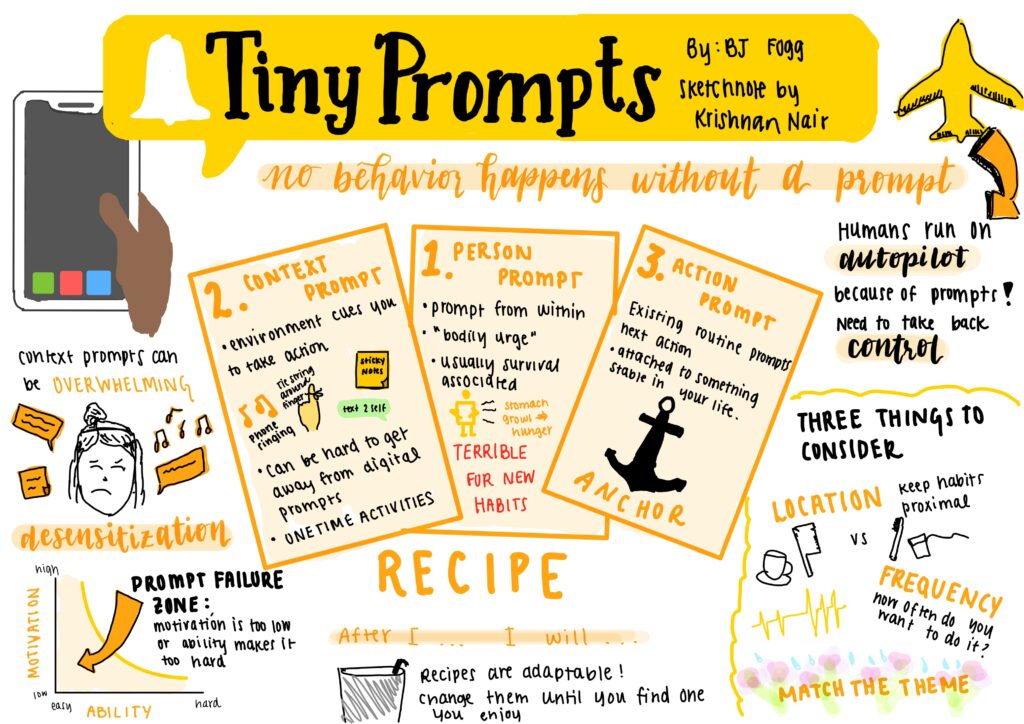
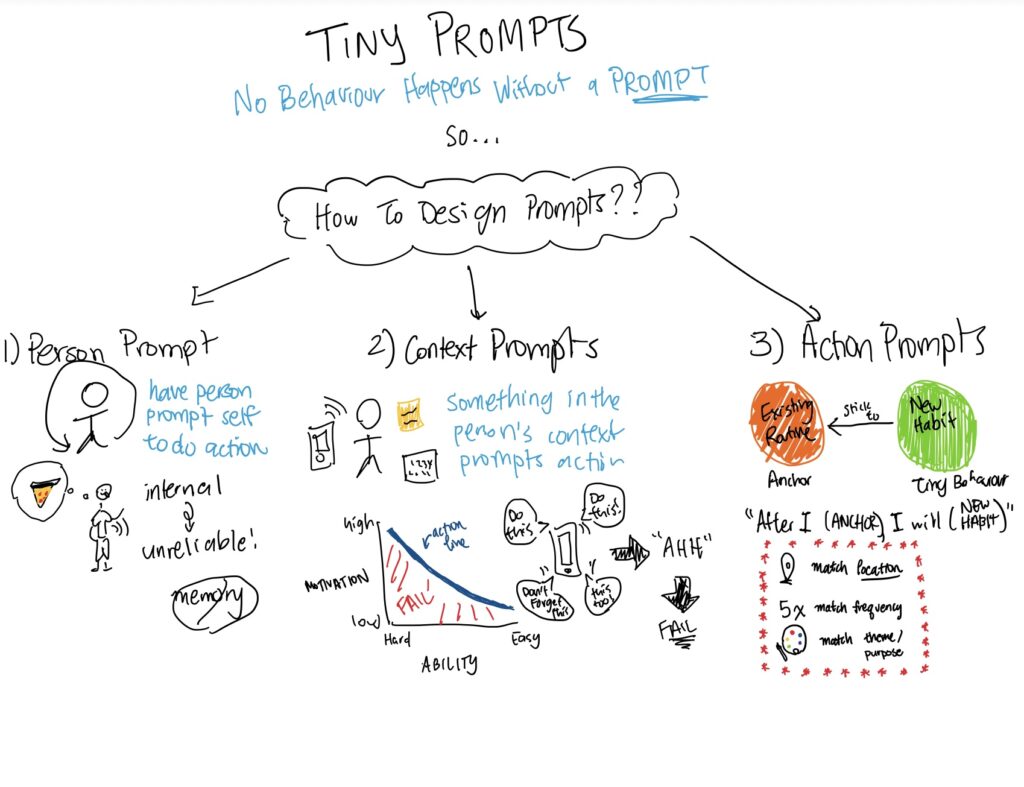
In terms of ethical considerations, the mechanisms my group’s project uses to change behavior include nudges via context prompts/cues (notifications) and social influence/perception via the stretching leaderboard. We made it such that the leaderboard only measured consistency via stretching streaks; however, this could become ethically dangerous if, simply to maintain their streaks, users stretch on days they shouldn’t (e.g. when sick or during a physical injury).
Next time I design something, I am excited to deeply consider who I am designing for and apply the skills I learned in this class.