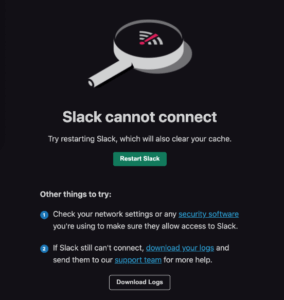
Slack relies on daily engagement and workplace trust. Errors like failed message sends, channel load issues, or notification failures risk breaking or blocking team workflows. If Slack feels unreliable, especially for critical team moments like communication during launches, incidents, and sprints, companies might divert to other messaging systems, like email or competitors like Zoom, and lose workplace retention. To protect retention, Slack emphasizes smooth recovery: offline message queuing, automatic retries, clear reconnection banners, and explicit “your data is safe” messaging. These flows preserve confidence and keep teams communicating and online even when the network falters.
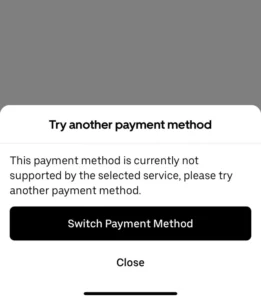
Uber’s two-sided marketplace system means that ride completion is the most important revenue metric; payment failures, ride cancellations, and GPS errors reduce ride completion, which is costly. Driver frustration from inefficiencies (long wait times,poor app experience, inability to find riders) would also affect ride completion. So, when Uber encounters an error, like a payment error, they’ll suggest fallbacks like switching payment methods, or keep the GPS going while trying to get the navigation back up, or keep the ride going even when the app crashes. These flows aim to recover the ride or payment as quickly as possible.
 Banking apps rely on trust since they handle sensitive user data. Login failures, transfer errors, deposit issues, or incorrect balance information raise suspicion and fear. Consistent errors would push a customer to move funds to a competitor or raise regulatory scrutiny. To protect long-term customer trust, banks are extremely cautious with error recovery: for login errors, they limit the number of tries and escalate too many errors to customer service so that customers can figure out an issue with a real human (which can feel safer). The emphasis on security and trust protects long-term customer value.