
Each platform optimizes discovery not just for usability but for business outcomes. The way users find content reveals each company’s strategic priorities.
Netflix: Curated Immersion
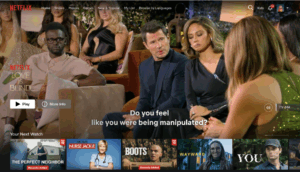
Netflix’s interface thrives on personalized recommendations. From the moment you open the app, it minimizes friction by surfacing auto-playing thumbnails, genre rows, and “Because You Watched” carousels. Every design element reinforces engagement time, keeping users watching rather than searching.
Netflix masters psychological momentum by auto-playing previews and removing traditional browsing hierarchies, creating a frictionless loop of “next best options.” The goal isn’t to help users search, but to eliminate the need to search altogether. By shortening the path from login to play, Netflix subtly maximizes viewing hours and deepens algorithmic feedback loops.

YouTube: Curiosity as Currency
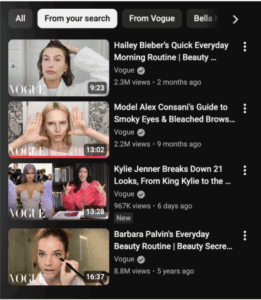
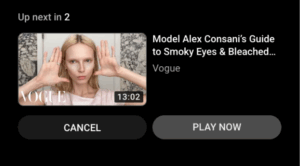
YouTube’s experience revolves around compounding discovery. While the search bar supports intentional exploration, most engagement emerges from algorithmic nudges (e.g. the “Up Next” sidebar and endless scroll of tailored thumbnails). This design leverages curiosity to sustain viewing chains, converting every spontaneous click into incremental ad impressions.
Unlike Netflix, YouTube thrives on content diversity and creator ecosystem dynamics. Its algorithm promotes what gains traction, accelerating trends, and rewarding engagement with visibility. This feedback loop fuels creator incentives and ensures a continuous pipeline of fresh, ad-monetizable content.
Airbnb: Precision over Exploration
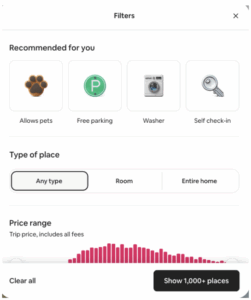
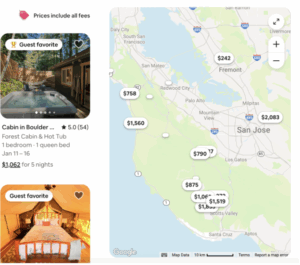
Airbnb’s interface favors deliberate discovery. It foregrounds filters, price sliders, and an interactive map to reduce uncertainty and increase trust. Rather than optimizing for time-on-platform, Airbnb prioritizes decision clarity, ensuring users feel confident to book. The design’s transparency (visible fees, clear ratings, and verified listings) translates directly into conversion.
Takeaway
These platforms illustrate how product design aligns with business intent: Netflix maximizes engagement loops, YouTube monetizes discovery breadth, and Airbnb converts filtered intent into action. Each shows that “finding” is not just a UX problem but about strategic growth.
