
Spotify: Premium Through Pain
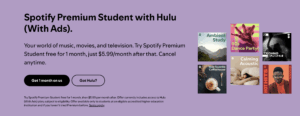
Spotify’s strategy to achieve a staggering 46% conversion rate is strategic friction. Free Spotify users endure ads, can’t skip tracks, and lack offline downloads.
With 85% monthly retention, Spotify banks on subscribers staying for years. The price discrimination strategy also works: students pay $5.99/p.m, and families split $19.99/p.m across 6 accounts.
Their calculated risk is that giving away too little for free can lessen viral growth. But for Spotify, free users become evangelists, and the premium features create genuine FOMO.

Figma: Land, Expand, Extract
Figma’s bottom-up strategy lets individuals start free, then spreads organically until the enterprise plans kick in. It has a 131% net dollar retention among customers spending $10K+, and over 1,000 customers paying $100K+ annually, showing Figma doesn’t just convert, it multiplies.
Figma’s friction is invisible until you need version history, design systems, or SSO. Then, upgrading becomes non-negotiable. The risk for Figma is that too much free value delays conversion. But Figma’s bet pays off: once teams are locked in, switching costs skyrocket.
NYTimes: Bundle, Upsell, Retain
For the NYTimes, one-third of their subscribers don’t even pay for news. They’re hooked on Games, Cooking, or The Athletic.
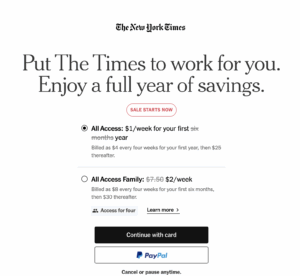
Their long-term play is: family plans reduce churn, since cancelling means cutting off three other people. Their aggressive $1/week introductory offers sacrifice initial average return per user but convert casual readers into habitual users. As subscribers transition from promotional to higher-rate plans, lifetime value compounds. The risk is that deep discounts train users to expect deals. But NYTimes counters with Wordle addiction and daily habits that justify price hikes.
The real insight from these 3 is that freemium success isn’t about conversion rates. It’s about knowing exactly which pain points justify paying, and which fuel growth.
