
Spotify: Converting Habit Into Revenue
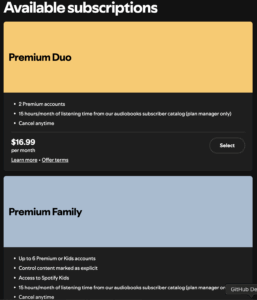
Spotify’s freemium strategy banks on daily habit formation. The product delivers full music access for free, but strategically withholds control (ads, limited skips, no offline play). The upgrade path lives in Account → Manage Subscription, where users see clear value trade-offs: ad-free listening, unlimited skips, offline mode.
Friction level: Low, but desktop-only upgrade flow is a hidden barrier.
Business trade-off: Free tier builds stickiness; paid tier monetizes impatience and convenience.
Figma: Freemium as a Team Multiplier
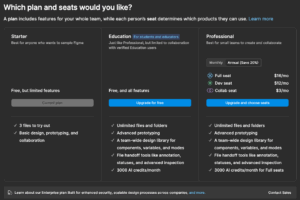
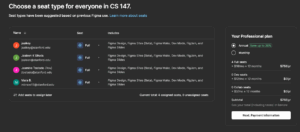
Figma doesn’t push individuals to pay but rather teams. The upgrade flow (Account → Upgrade Plan) forces decision-making at the seat level (collaborator, developer, full seat), each with a price. The user doesn’t just upgrade themselves but they decide for the entire org, multiplying revenue.
Friction level: Medium-high (role selection, billing model, seat management).
Business trade-off: Added setup friction, but higher revenue through team expansion over individual subscriptions.
NYTimes: Paywall as Value Calibration
NYT’s freemium model limits access to credibility, not functionality. The first paywall is intentionally soft: $1/week for six months, then a sharp price jump. The “All Access” bundle reframes the purchase as multi-product value (news + games + recipes + audio + sports).
Friction level: Medium (billing disclosure + upsell structure).
Business trade-off: Free sampling grows trust but added value is not immediately clear.
