
Instagram: Fast Value, Light Friction
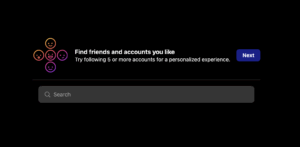
Instagram prioritizes immediate value delivery. After entering an email, name, username, and birth date, users are prompted to follow five accounts. This step builds the foundation of a social graph, which is the core of Instagram’s engagement loop. The app then instantly delivers value: a personalized feed, an Explore page full of trending content, and continuous suggestions for people to follow.
While asking for contacts introduces slight friction, drop-off is minimal because users expect social connection on the app and may be motivated to add contacts. The reward (seeing friends and engaging content) outweighs the effort.
Notion: Understanding Intent Before Value
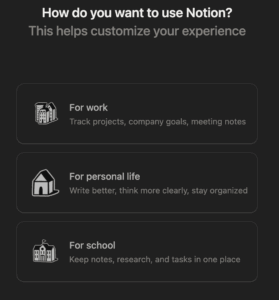
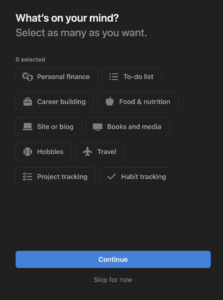
Notion’s onboarding is more reflective. After collecting basic info, it focuses on why users are joining (e.g. personal goals, team collaboration, or project type). It customizes the first workspace and delivers quick tutorials. While the experience takes longer than Instagram’s, users see value once the tailored workspace loads.
Each added question introduces friction, but it also sharpens personalization. Drop-offs likely occur when users feel overwhelmed by choices, but the payoff of a workspace aligned with goals helps retention.
Venmo: Trust and Verification Over Speed
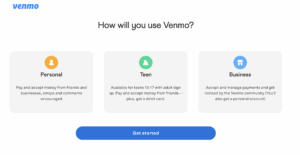
Venmo’s onboarding is the most demanding. It requires identity verification (name, phone, address, bank info, date of birth). The friction here is intentional and compliance and trust outweigh speed. However, the business cost is high: each extra verification step risks losing users skeptical about linking financial data. Unlike Instagram’s social motivation, Venmo’s users must trust before they transact.
Takeaway:
Each app optimizes onboarding differently: Instagram for connection, Notion for purpose, and Venmo for credibility. The balance between friction and value reflects what each product must learn first: who you know, what you want, or whether you can be trusted.
