
Onboarding with Instagram is fairly simple. It begins with requesting and authenticating a second account (phone number or email) and requesting basic information about the user (name, username, birthday). What stands out to me is that Instagram concludes the initial onboarding process (before it lets the user into their account) by asking if the user would like to grant Instagram access to their contacts/Facebook friends—Instagram is trying to immediately set Instagram up as a social platform for the user with minimal work required from them. In doing so, their first moments on their account will already be exciting and prone to connecting with their community—the exact message Meta advertises as their company mission. The fact that other aspects of onboarding (adding a biography, profile picture, etc.) are done so within the created account, as well as that Instagram can automatically find your friends (with appropriate permissions enabled), gives the user the feeling that onboarding is extremely simple and quick.
Notion
Notion’s onboarding had a few aspects that stood out to me compared to Instagram. Apart from the basic, more universal aspects of onboarding (linking your account to an email, authenticating email, etc.), I noticed that Notion prioritized asking the user questions about how they will be using their account. They posed questions about the individual’s persona (e.g. “are you a student?”) and were thus, better able to set up the user’s initial space. Since I marked that I am a student, they provided me with a starter space of a student planner (pictured below). The only aspect which caused friction was that they posed many questions regarding whether I was interested in their other products (desktop app, mobile app, etc.) or even in their advanced features for my account (Notion agent). While I would not stop onboarding because of these three or four extra questions, I was a bit overwhelmed that they were asking me because I was more focused on setting up my account properly. I will say, though, that the business cost isn’t high—skipping through these questions takes ~5 seconds and they likely will not lose any new accounts. The chance that they gain more users on their other products is likely worth the five seconds of frustration from their users.
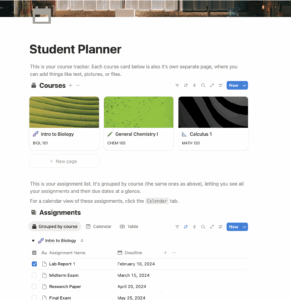
Side note: I love Notion and was so happy we got to explore Notion for this assignment!
Venmo
Venmo is certainly the longest onboarding process, with the most steps. They connect the user with their contacts (like Instagram does), add their basic information, tailor their account to their user persona (like Notion does), and of course, in addition to this, requires additional bank account information and verification. I remember being so incredibly frustrated with configuring my Venmo account three years ago—it took weeks and help from my dad to finish onboarding. However, I still followed through. Their was a lot of friction with working out all the banking components, however, when all my friends use Venmo, it’s almost necessary that I ensure my account is configured, too. The fact that they dominate the online payment market in the United States, in addition to the fact that all of these onboarding details are necessary, seem to be how they do not severely sacrifice user sign-ups during onboarding.
