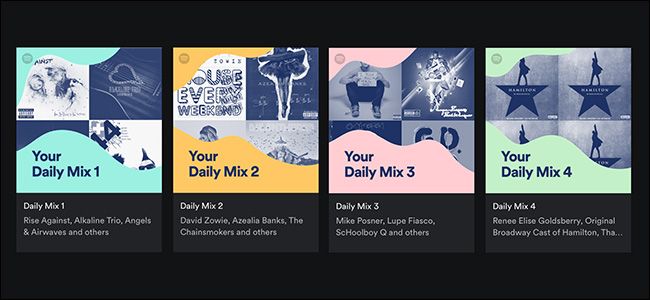
Spotify – Listening Customization
Spotify’s recommendation engine uses the user’s listening patterns to power features like Discover Weekly, Daily Mixes, and personalized radio. Every signal from the user such as skips, replays, and saves, all feed into its models to keep users listening longer. For Spotify, listening customization and personalization leads to greater listening time. This increases retention and reduces churn, directly raising LTV. Personalized playlists also encourage exploration of nichecatalog content, improving cost efficiency of licensing vs. relying on top-charts.
LinkedIn: Customization for Relevance
LinkedIn optimizes for return frequency. Feed ranking heavily weights professional relevance, such as job changes, career milestones, recruiter activity. As a result, users feel compelled to check in multiple times a week, if not more often. Notifications are also personalized to trigger re-engagement (think “Congratulate X on their new role at…”). Higher session frequency drives ad impressions and increases the liquidity of their hiring marketplace, and more candidate activity also leads to more recruiter spend.
TikTok: Personalization for Ad Targeting
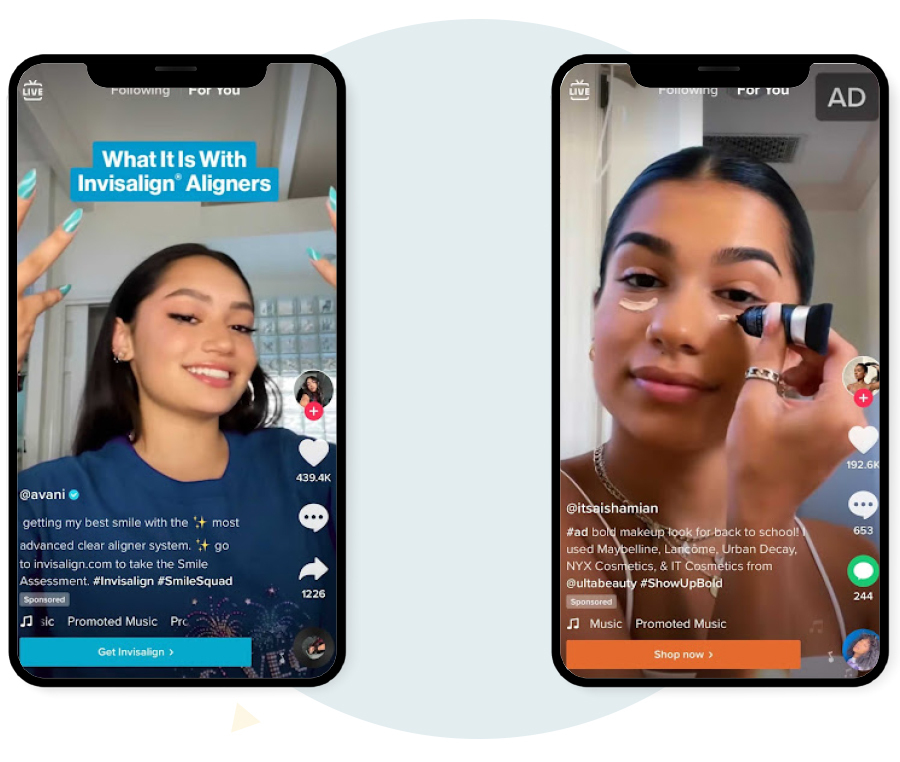
Similar to Spotify, TikTok uses hyper-granular content signals such as rewatch rate, pause time, sound preference, creator graph to predict what keeps a user on the For You Page. This same behavioral data supercharges ad targeting, boosting conversion rates for advertisers. This personalization strategy works because better targeting for ads means more revenue per minute of watch time. Personalization also fuels creator discovery, strengthening TikTok’s supply side and reducing user fatigue.