
Let’s take a look at Spotify, Figma, and NYTimes subscription models.
Spotify
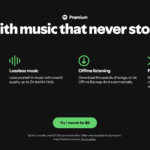
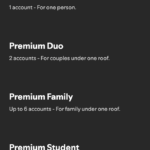
Spotify boasts a high percentage of premium users. Non-paying users can still access the core value of Spotify — which is listening to music — but with inconveniences such as ads and inability to choose specific songs. Spotify then offers a month-long free trail (show below) which converts to monthly subscriptions for $11.99. The free trail is a great strategy to allow users to explore and familiarize themselves with premium features. Users are motivated to take advantage of free features, and Spotify takes advantage of this motivation to ask them for payment information. From there, the shift from free trail to subscription is frictionless — bolstering conversion rates. There is also Spotify Duo, Spotify Family, and Spotify for Students, which offers additional incentives. Lifetime value is maximized by making users dependent on the convenience of Premium features.
Figma

Free version of Figma gives users direct access to the products, but holds back on collaboration features by limiting number of teams and projects that can be made. The moment teams need to organize, ship, or access files as a shared artifact, the value of the premium subscription becomes clear — just as their willingness to pay is maximal. Figma’s subscription model is uniquely based on “seats” – allowing users with different roles and needs (i.e. engineering, design, etc.) to access different product sets. Figma maximizes lifetime value because of its high customer retention – once teams start using Figma and base their entire product/workspace on Figma products, switching is a major headache at best and unfeasible at worst.
NYTimes

NYTimes subscription offers unlimited access to articles, in addition to side products such as NYTimes Games, NYTimes Cooking, WireCutter, etc. This bundle increases incentive for subscription, and diversity of products makes users dependent on NYTimes subscription across multiple dimensions.
At first, users without subscription have access to a few unpaid articles, until the paywall comes up — the friction to get a subscription is high, but intentionally so, because blocking users from the core value is the main driver of subscribers.
