
Every product team eventually faces the same question: who gets the final say? Spotify, Airbnb, and Zappos answered it in three very different ways.
Spotify organized employees into cross-functional squads grouped into tribes. Within each squad, the PM prioritizes what to build while the team decides how, which reflects Chapter 1’s point that PMs succeed through alignment rather than orders. The clever part is speed, since decisions stay with
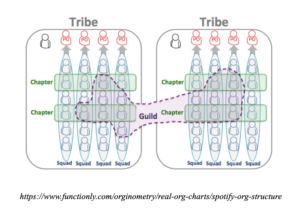
the people closest to the problem. Yet squads can optimize their own corner while the product fragments, and Spotify itself eventually moved on.
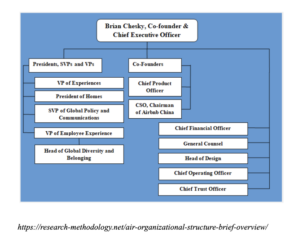
Airbnb moved in the opposite direction. Brian Chesky merged product management into product marketing, elevated design, and began reviewing major work himself. PMs now shape and communicate decisions more than they make them. This structure produces coherence, with one roadmap and one quality bar. Still, it turns the CEO into a bottleneck, and when every major call runs through one person, execution, the E in CORE, moves at the pace of a single calendar.
“The designers are equal to the product managers.” — Brian Chesky
Zappos went further with Holacracy, where authority belongs to roles inside “circles,” not job titles. Lead links assign roles but cannot dictate the work, so a PM owns responsibilities rather than people. That clarity is clever, but in practice it proved exhausting: governance meetings multiplied, 18% of employees took a buyout rather than commit, and Zappos eventually brought managers back.
If I were designing a team, I would pair Spotify’s squads with Airbnb’s editor: squads would own what and how, while a regular cross-squad review led by product and design keeps the experience whole. Autonomy without alignme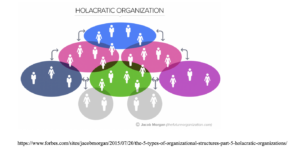 nt fragments a product,and alignment without autonomy bottlenecks it. The team should decide what gets built; the PM makes sure everyone builds the same thing.
