It was really interesting to learn about Airbnb, Facebook, and Slack’s north star metrics. Each one is unique to each company.
Airbnb
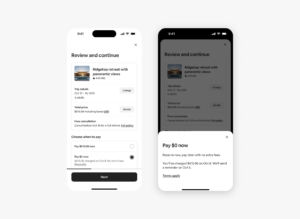
Airbnb’s north star metric is the number of nights booked. They chose this because it’s much closer to real marketplace value than metrics like signups or site visits. The behavior was a proxy for guests actually getting a place to stay and hosts actually getting demand. A team could game this by offering large discounts to inflate booked nights, but that could raise booked nights while profits and customer satisfaction fall. Another way they could game it is by pushing users to book longer stays than they want, such as through minimum-night requirements. This would increase their metric but make the product less convenient for users. In both cases, the team would optimize for nights booked instead of the actual value Airbnb is meant to provide.
Facebook
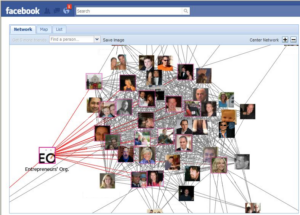
Facebook’s north star metric was obtaining a new user who would add 7 friends in the first 10 days on the platform. They chose this because users who reached 7 friends in 10 days were more likely to stay engaged. It was also simple and memorable for the entire company to focus on. This behavior was a proxy for a new user building a social network on the platform and coming back to it. A team could game this by pushing friend suggestions and notifications, which would lead to more connections but a lower-quality social graph. Another way they could game it is by pushing users to import contacts or connect to other social media apps. This would increase their metric but make the product feel more intrusive and cluttered.
Slack
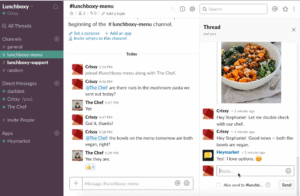
Slack’s north star metric was whether a team shared 2000 messages. They chose this because once a team crossed 2,000 messages, about 93% of those teams were still using the product. This behavior was a proxy for a team actually adopting Slack into its workflow, rather than simply signing up for a trial. A team could game this by encouraging shorter messages, which could optimize Slack for frequent small chats rather than collaboration.
Sources: