
Finding What You Didn’t Know You Wanted
Netflix, YouTube, and Airbnb each choreograph discovery differently, as “finding” means something different for their business models. Netflix wants to extend engagement time; YouTube wants to fill ad inventory; Airbnb wants to drive booking conversion. Their UI architectures reveal these motives.
Netflix: Curation as Confidence
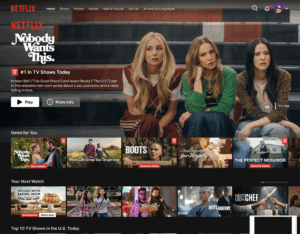
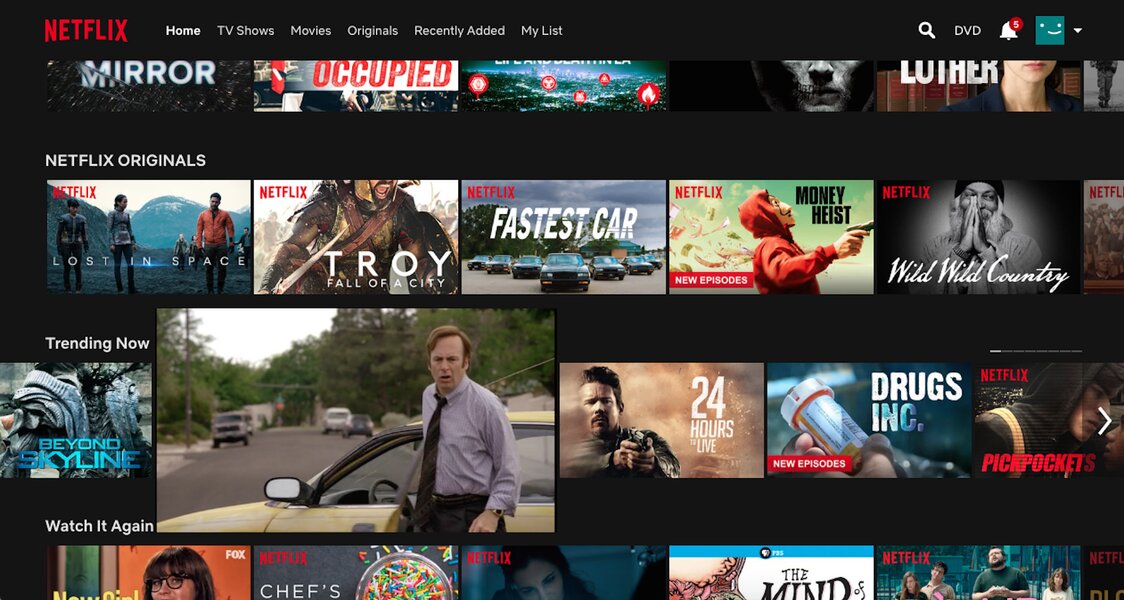
Netflix’s homepage is cinematic persuasion. Horizontally scrolling “rows” of personalized recommendations and auto-playing previews reduce cognitive effort and make deciding feel like watching.
YouTube: Algorithmic Serendipity
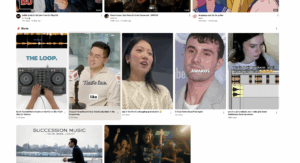
YouTube thrives on adaptive loops. The homepage’s mix of recommendations, infinite scroll, and autoplay thumbnails creates a dynamic feedback system – the more you watch, the more it learns.
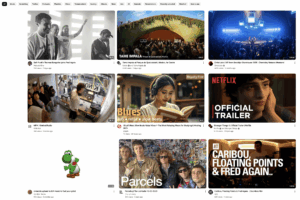
Integration of YouTube Shorts adds low-effort entry points: fast, subtitled clips that feed curiosity with minimal activation energy.
Airbnb: Filters as Freedom
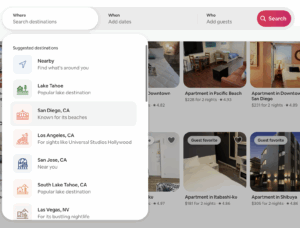
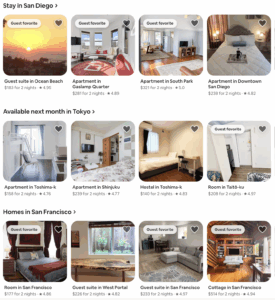
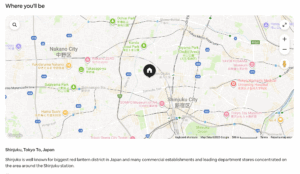
Airbnb’s discovery transforms filtering into browsing pleasure. To increase booking conversion, it foregrounds what matters most – price, location, and convenience; the whole experience is designed as a partner in a user’s booking journey, with friendly language. Each property card highlights price, rating, and city – prioritizing clarity over novelty.
Comparison
Netflix curates for immersion, YouTube adapts for relevance, and Airbnb simplifies for confidence. Each balances discovery and decision-making to serve its engine: watch time, ad time, or booking time, proving that discovery design is ultimately about shaping how users feel while choosing.
