Spotify
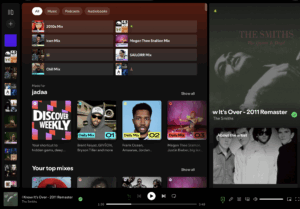
A large part of Spotify’s personalization comes from the playlists and mixes they provide. These are based on songs, artists, and genres the user has been listening to frequently. By taking advantage of recent interests with their provided daily mixes, users have quick access to all of their current favorites mixed in with new, similar songs that they have a strong likelihood to also appreciate. Basically, Spotify gives the user what they want which definitely increases listening time and produces a high ROI.
LinkedIn’s personalization is mostly seen in the content on a user’s home page. This looks like posts from people that are affiliated with companies or industries that the user has expressed interest in. Due to the nature of this platform being focused on securing jobs, finding and connecting with individuals in positions the user wants to be in gives the user a reason to stay on and interact with the content on this page. Thus, users are inclined to frequently open this platform, this page specifically, to try to find new opportunities for professional development which is this platform’s main goal suggesting a large ROI.

TikTok
TikTok’s success relies on the extremely personalized experience that it provides the users with through the algorithm. Beyond keeping track of what you interact with, the algorithm also considers how long you spend on each video, the trends you react to, and the creators you favor. This information is used to produce a curated feed, but that comes along with personalized ads. While this model is better for ad targeting, I would say that personalization for this platform has possibly the biggest ROI due to the success that such a personalized for you page has brought the platform.