Skip to content
The most fundamental distinction between Spotify, Airbnb and Zappos is where the product decision-making is really located inside the company organizational structure. They are all so different!
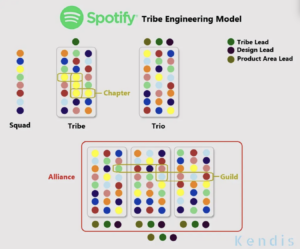
First, Spotify uses the structure of small cross-functional “squads” and groups of similar squads in “tribes”. The PM/Product Owner is a member of the squad and helps to prioritize tasks for the team, while engineers and designers have a lot of freedom to choose how to develop the product. Spotify calls it “aligned autonomy”: leadership gives the vision but leaves a lot of freedom for teams.
Airbnb is a more centralized organization. Brian Chesky restructured the organization functionally with design, engineering and marketing roles and unified projects roadmap in one company-wide roadmap. Design team has a great weight in decision making and Airbnb shifted from the classic approach when PM is responsible for the designer. Some parts of PM functions were incorporated into product marketing and program management functions. Therefore, the PM has some power to influence the development of products but the decisions of building products are greatly influenced by Chesky and other function leaders.
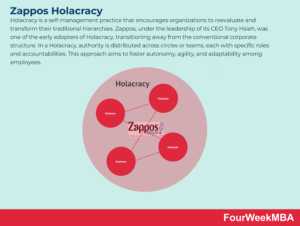
In Zappos’ holacracy the authority goes in the opposite direction. Not classic managers but employees in defined “roles” make up “circles”. Decision-making authority is assigned to the role responsible for the area, not to a position. A PM in such a case does not have automatic authority for the product.
For me personally, I would choose Spotify. I really like the approach when there is clear ownership of the product but at the same time it allows to work very closely with engineers and designers. AirBnB looks slightly too centralized for me and Zappos looks too decentralized.