
Jira
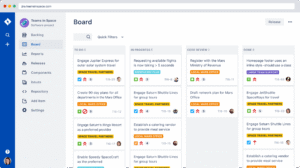
In 2002, Jira entered an existing market because project management software already existed. It is a red ocean because it is an established market with established competitors. Jira differentiated its product with features like customization and support for different workflows. Jira knew the market it was entering already understood why this kind of software was needed, so it could focus on how to differentiate itself. Jira needed to believe this kind of software was still useful for PMs, and that a centralized project management source would remain important. They had to believe these customizations would provide enough value for teams to choose Jira over existing competitors. They also had to believe that projects in teams would become so complex that a less simple product was a worthwhile trade-off for better-structured workflows.
Linear
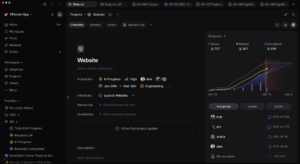
Linear also entered a resegmented market dominated by tools like Jira. The founder has described his frustrations with the existing tools everyone used. He decided to focus on modern software development teams that needed to move fast and work efficiently. Linear entered a resegmented market because it wasn’t an entirely new category, but it changed how these tools work. For these reasons, it’s a red ocean with a blue niche, since Linear targeted a clear, narrow audience: teams that shared the founder’s sentiment that tools were too slow and too complicated. Jira focused on features and customization, while Linear focused on the user experience. Linear had to believe the opposite of what Jira believed, and that PMs and engineers wanted a simpler project management tool. Linear also had to believe that the tools on the market had become too complicated and created debt for teams that move quickly.
Productboard
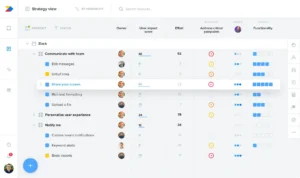
Productboard entered a new market by focusing on a different problem than what most project management tools had already solved. Productboard was a blue ocean because they realized PMs needed to understand customers and their needs to make effective decisions about which features should be prioritized, so they solved that. This created a new category for product management tools by collecting and organizing customer feedback, prioritizing features, and helping build and communicate product roadmaps. Productboard believed PMs struggled to organize user and customer feedback. They also had to believe that customers would pay and find value in PM-specific strategy and discovery tooling. They also had to believe managers and companies could justify this kind of specialized product category.
Sources:
https://www.atlassian.com/software/jira/guides/getting-started/who-uses-jira
https://review.firstround.com/linears-path-to-product-market-fit/
