
Outcome pricing sounds appealing until you have to define the outcome. For our product, it would be messy because a rejected proposal never gets tested in the real world.
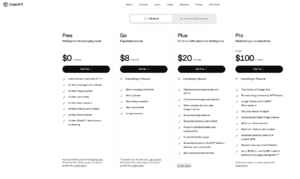
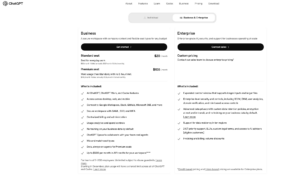
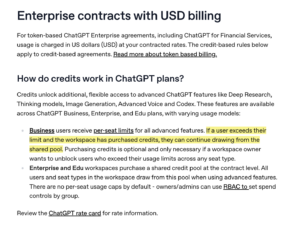
With ChatGPT Plus, the $20 monthly bill stays the same whether the answers are helpful or not. The plan buys broader access to the service, though some models and tools still have usage limits. Users bear the consequences of trusting a wrong answer. OpenAI still manages computing costs through usage limits, while eligible users can buy credits for additional use of supported features.
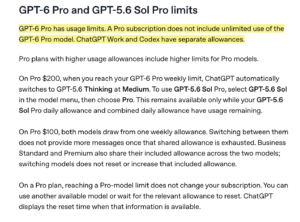
https://help.openai.com/en/articles/20001354-gpt-6-and-other-models-in-chatgpt
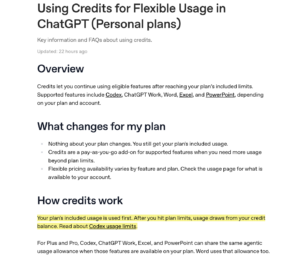
GitHub Copilot uses a familiar workplace arrangement. Its Business plan costs $19 per developer monthly, with 1,900 credits included for AI features. If the suggested code has a bug, the team still has to catch it through testing and review. The credit allowance limits GitHub’s computing costs, and the administrator decides whether the team can spend more.
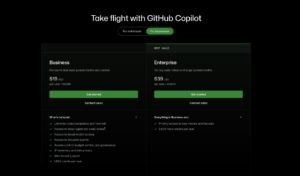
https://github.com/features/copilot/plans
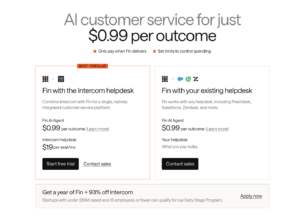
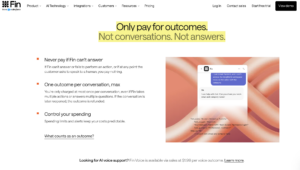
Intercom Fin takes on more performance risk. A business pays 99 cents when Fin resolves a support conversation under Intercom’s definition, not whenever the bot tries. Failed attempts cost Intercom money. But a chat marked resolved may still leave the person seeking help unhappy, so the business using Fin still owns that relationship.
Our product Cookin’ helps teams compare competing proposals using company and market data. I would sell one decision analysis at a time, including all participants and a fixed bundle of simulations. Customers could invite colleagues without worrying about another seat, and we could control computing costs. If our system fails to produce the analysis, we should rerun it for free. Paying for a successful decision would be messier because we cannot test the rejected option in real life. A case fee covers work we can deliver, while the run limit controls our costs.
