
I chose Coinbase’s seed-round pitch deck. Since Coinbase was built on Bitcoin, which was still a very early technology at the time, the company first needed to convince investors that Bitcoin itself had real potential. The deck does this by highlighting Bitcoin’s growth, including approximately $2 million in daily transaction volume, and listing potential early adopters across familiar use cases such as international payments, gaming, and e-commerce.
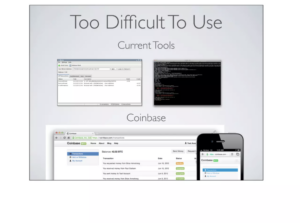
After establishing Bitcoin’s potential, Coinbase introduces the core problem it aims to solve: existing Bitcoin tools were “too difficult to use.” It then makes a direct visual comparison between existing interfaces and Coinbase’s much simpler design, including how the product works on mobile devices. The deck also describes Coinbase as “a hosted bitcoin wallet” and uses the analogy “Coinbase : Bitcoin = iTunes : MP3.” I find this analogy particularly clever because it does more than make an unfamiliar product easier to understand. Just as MP3 was a technology that iTunes helped make accessible to mainstream consumers, Coinbase positions itself as the product that could bring Bitcoin to a much broader audience. It is not simply selling a better interface, but suggesting that it could become an essential gateway to an emerging technology. By connecting Coinbase to a familiar success story, the deck helps investors imagine both the product’s necessity and its potential future significance.
To demonstrate market potential, the deck highlights Bitcoin’s existing transaction activity alongside Coinbase’s early traction, including 20% daily signup growth and $65,000 in transaction volume during its first five weeks. The graphs make the growth tangible and visually compelling. However, while these numbers demonstrate early momentum, they do not fully establish the long-term size of the addressable market.
If I were an investor, my biggest question would be whether Bitcoin’s popularity represented a sustainable shift in behavior or merely a temporary reaction to distrust in traditional financial institutions after the financial crisis. What if Bitcoin never expanded beyond a relatively small demographic of cryptocurrency enthusiasts and researchers? And if those early adopters were already technically sophisticated, would they really need a simplified tool like Coinbase rather than managing transactions themselves? In other words, how could Coinbase demonstrate that demand for its product would extend beyond Bitcoin’s existing niche community? Even if Bitcoin eventually became mainstream, what would prevent other companies from building equally simple wallets?
For my own Sanity Check pitch, I would borrow two things. First, the visual style of the deck reflects the product’s core value proposition: simplicity. The presentation itself is minimal and easy to follow, just like the experience Coinbase is trying to sell. Second, I find its use of visual comparisons and familiar analogies particularly effective. The iTunes analogy is especially memorable because it helps investors understand not only what Coinbase does, but also what role it might play in a much larger technological shift. I want to use a similar approach in my own pitch, making the product’s value immediately intuitive while helping the audience envision why it could matter on a larger scale.
