Quibi (Variety):
We believe: people are willing to pay for short-form entertainment from Hollywood stars
To verify, we will: run a fake door test
And measure: number of sign ups
We are right if: 20% of visitors sign up
Humane AI Pin (CNET):
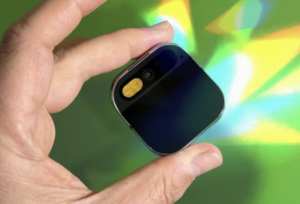
We believe: people are willing to replace their phone with the Humane AI Pin
To verify, we will: have 100 people borrow the pin for a day and ask if they would use it to replace their phone
And measure: how many people would replace it with their phone
We are right if: 30% would replace it with their phone
Juicero (The Guardian):
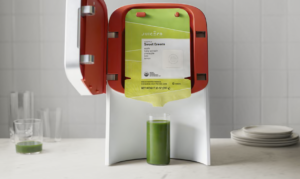
We believe: people will pay $400 for a juicer that only works with pre-made packaged diced fruit
To verify, we will: run a fake door test
And measure: number of sign ups
We are right if: 20% of visitors sign up
I think Juicero was the most flawed as it had less utility than its competition of a regular juicer. There was no competitive gap, and I don’t think they had an ICP. The Humane AI Pin might have succeeded if it worked together with a phone like the Meta Ray-Ban which was a success. The Humane AI Pin was $699 plus cellular service and a $25/month functioning fee, it was too expensive for a worse phone. Their ICP should have been early adopters, but this shrinks the market. Quibi was flawed in competing with free short-form content from companies like TikTok, while having high production costs for 10 minute videos. Instead, I would have Quibi make even shorter videos (30-90 seconds) at a lower cost, as well as released when people were on-the-go (not covid). Perhaps a P-roadmap test with users that fit their ICP would have led to success.