
Error handling is not just a technical detail. It is a test of how well a product can protect user confidence when something goes wrong. When systems fail, the design of the recovery experience often decides whether users stay or leave. Studying Slack, Uber, and Wells Fargo shows that recovery design protects more than functionality. It preserves retention, revenue, and trust. The best products respond with empathy, quick action, and calm communication that makes users feel understood rather than abandoned.
Slack
Slack’s error message that says “For some reason, Slack couldn’t load” combines warmth with clear instructions. It offers links to reload, test the connection, or check the service status. This transparency helps users feel in control and prevents frustration. It also protects workplace retention, which is the company’s main source of revenue. The message uses a friendly tone and turns a stressful moment into something manageable. Adding an estimated recovery time or a short progress indicator could make users feel even more supported.

Uber
Uber’s cancellation and ride updates show how quick communication protects transactions. When a driver cancels, the app immediately reassures the rider that another is being found. This prevents drop off and keeps the customer in the system, which preserves per ride revenue. The quick sequence of updates keeps users informed and calm. Uber could make the experience even better by showing how long the replacement process will take or where the new driver is coming from.

Wells Fargo
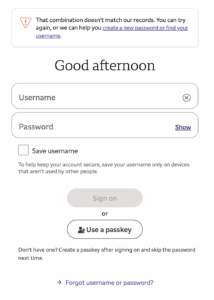
A banking error is one of the most sensitive situations for any product. Wells Fargo’s login message that says “That combination doesn’t match our records” is calm and professional. It avoids alarming language and offers recovery links to reset credentials. This keeps the interaction composed and protects trust in the brand. To reassure users even more, the message could include a note that accounts remain secure and no suspicious activity has occurred.
Across all three examples, thoughtful recovery design acts as quiet crisis management. Good products fix problems while great ones restore confidence.



