The three organizations – Spotify, Airbnb, and Zappos – differ in the way they prioritize product and design judgment.
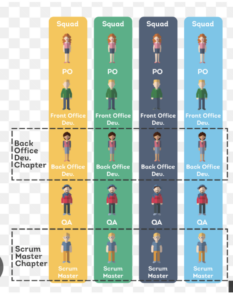
For Spotify, they push judgment down to the team level. Squads are small cross-functional teams, and the product owner sits within each squad alongside engineers and designers. They help decide priorities, set targets, and define the “what” and “why,” but don’t have managerial authority over the team. The assumption seems to be that the people closest to the problem should be making decisions with meaningful autonomy. Related squads are grouped into tribes.
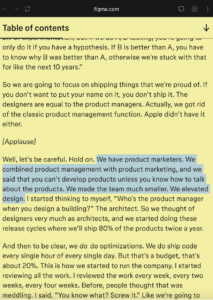
Airbnb seems to have moved in the opposite direction. Chesky talks about getting rid of the classic PM function, combining product management with product marketing, and “elevating design.” PMs are still involved in shaping the product, but they don’t independently control what gets built. The model seems to trade some team-level autonomy for greater coherence at the company level.
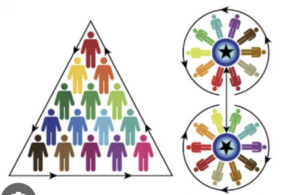
Zappos follows a different approach. Decision-making power comes from specific roles and responsibilities rather than managerial rank. A PM is more of a role within a circle than someone who automatically has authority because of their title. This moves away from traditional hierarchy, but also spreads decision-making across roles and groups.
I would choose Spotify because I like decisions being made by the people closest to the problem. Leadership can still set priorities while giving the team room to refine the solution over time. I like Airbnb’s emphasis on design, but I would rather work closer to the problem space with more autonomy. Zappos’ model is interesting, but I still don’t fully understand how a company maintains a consistent product or brand voice when decision-making is spread across so many fluid roles and circles.