
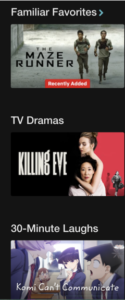
Netflix’s main goal is to keep you watching. The primary method for content discovery is a pretty sophisticated recommendation engine. From the moment you log in, there are so many personalized carousels of “Watch It Again” “Top 10 in US” “Because you Watched [XYZ show]” and many genre specific suggestions. This strategy aims to reduce decision fatigue and keep people immersed in the content to maximize engagement time. The entire interface is designed to make it effortless to jump into the next show, especially with their autoplay feature. I will say that sometimes all of these options do the opposite and create more decision fatigue with all of the possible options.
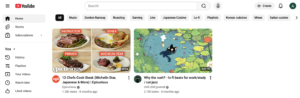
YouTube instead tries to balance the user intent with its all powerful curated algorithm. The search bar is pretty effective at finding specific videos, but I rarely find myself searching up specific videos on YouTube. Most of the discovery comes from the recommendations that show up on the homepage feed which is personalized to each user. This hybrid approach reflects YouTube’s ad driven model where more video views mean more opportunities to show ads. The algorithm learns from watch history, likes, and shares to show relevant content and keep users on the platform to consume more ad inventory.
Airbnb’s discovery mechanism is fundamentally different, driven by the highly specific and high-stakes nature of booking accommodation. Users often have clear requirements: location, dates, price range, number of guests, amenities. Therefore, Airbnb prioritizes a robust filtering and search system. While it offers some curated “Experiences” or “Popular Destinations,” the core experience empowers users to actively narrow down a vast inventory to find their perfect stay. The goal is a successful booking conversion, which relies on giving users precise control over their search.



