Freemium models combine free and accessible content with monetized content behind paywalls. Companies that use this (i.e. Spotify, Figma, and The New York Times) depend on converting free users to paid users, but each company does this a little differently, which we are about to look into.
Spotify
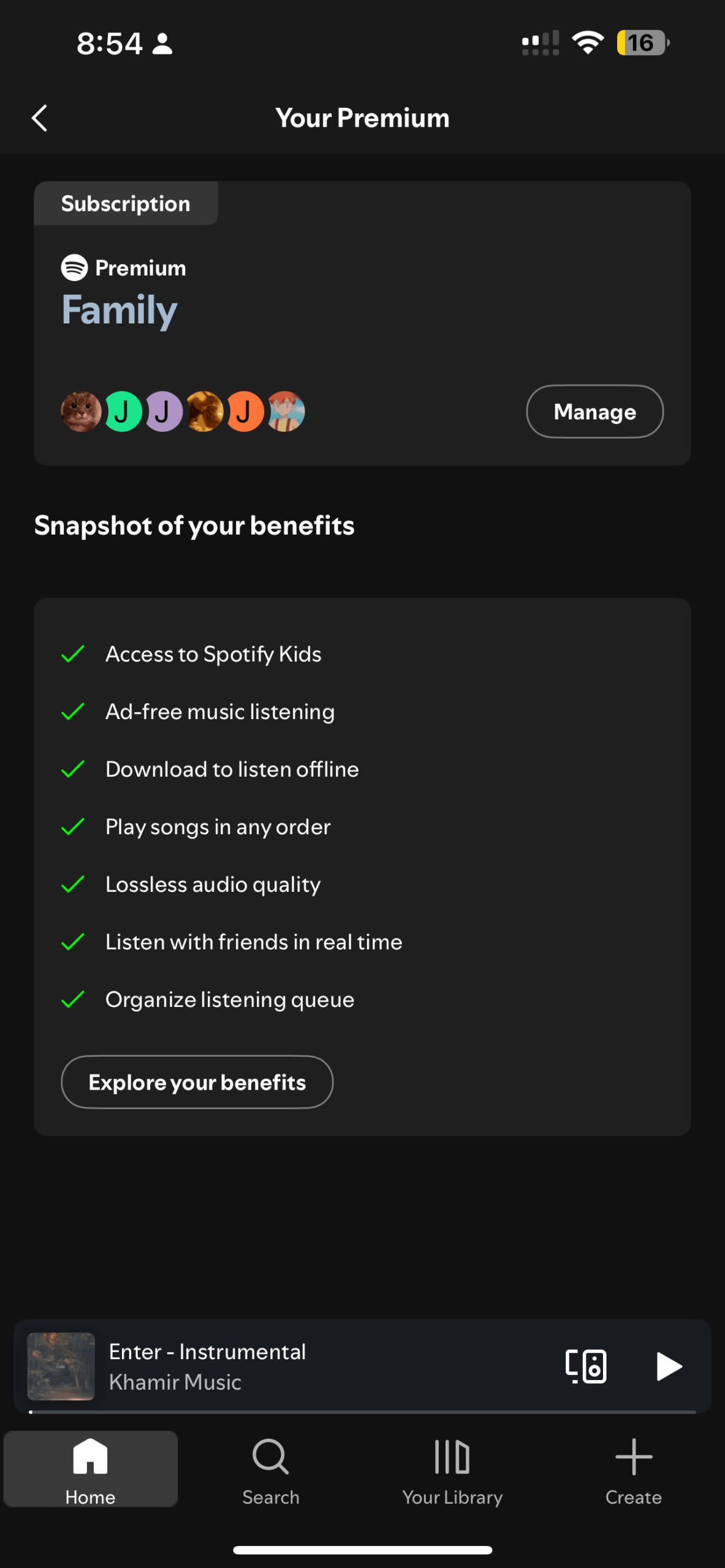
Spotify’s free tier enables users to play whatever music they want, but they have to listen to consistent audio ads and are not allowed offline play. This subtle friction creates enough pain to push many free frequent users towards premium. Once converted, Spotify offers personalized playlists, family plans (see mine below!) and student discounts to reduce churn and extend lifetime value. The risk of this model is over restricting free users, as too much friction could drive them to competitions such as SoundCloud or piracy.
Figma
Figma’s free plan offers full product functionality for individuals, mitigating friction for individual adoption. The limits come once teams start to collaborate when you want to add more editors, say. This model helps Figma grow once users start depending on it for work. Thus they will grow inside companies, earning high value long term costumers. The risk of this strategy is that many users will never need to upgrade, slowing revenue down. See below for pricing plan options.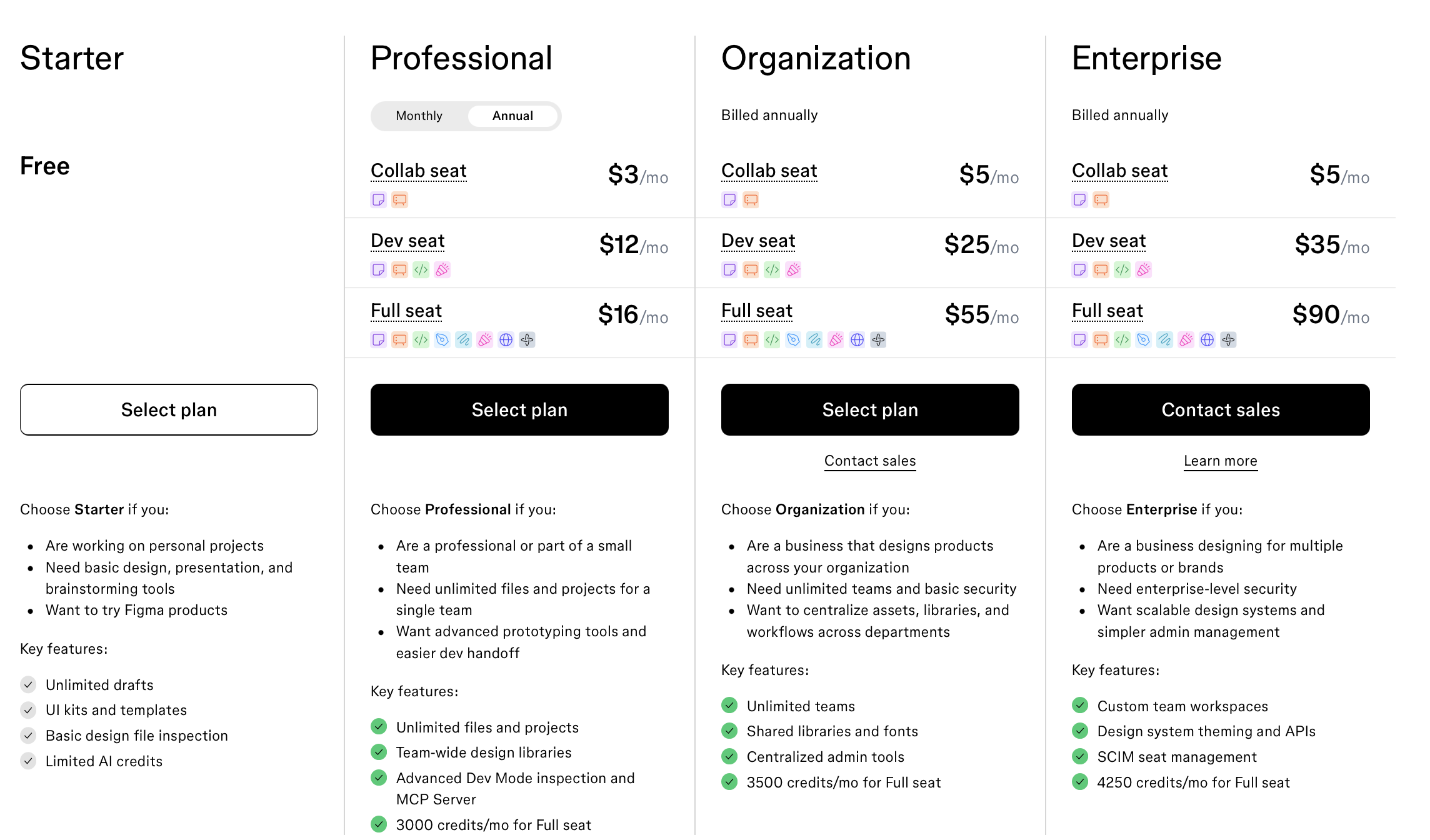
New York Times
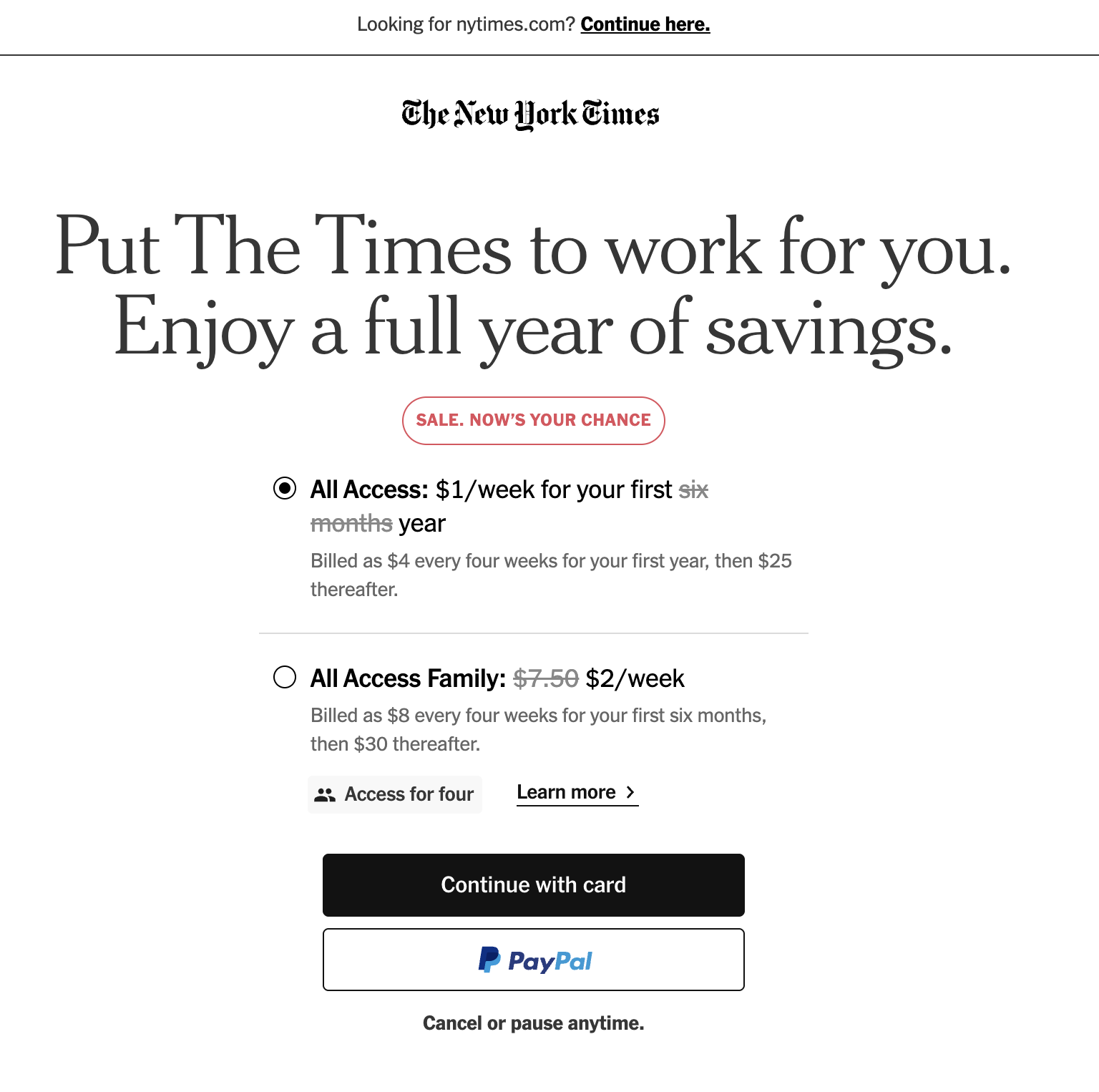
The New York Times uses a paywall that allows users a few sample articles each month. A limit like this adds gentle friction that reminds users that the content has value and can’t just be given away all for free. Once people make reading the NYT daily or playing their crosswords part of their routine, subscriptions become sticky — boosting lifetime value. The risk comes in finding the right number of free reads: too many mitigates the pain points and reduces conversion, but too little mitigates the company’s reach. See below for options to get past the paywall.