
Our team’s goal is to help people improve their morning routine, so we reviewed a selection of mobile apps that are designed to help people start their morning on a positive note or build and maintain an effective (morning) routine. For each competitor we reviewed, we summarize their problem space, target audience, and solution. We also point out their strengths and weaknesses, and describe how our project will be different from theirs in order to improve the user’s experience.
(Note: Some of the app images are huge. They are adjusted appropriately in the editor, but they still show up in original size in the blog post. Sorry for the inconvenience!)
Morning-Specific Competitors
1. Morning Routine Habit Tracker – Mobile App (Jason Mei)
Problem: Individuals who wish to start a routine tend to have doubts about what their routine should contain. This leads to reluctance in individuals attempting to start routines. This behavior is very similar to that of individuals who want to start working out.
Target audience: Users who have not attempted routines before and generally have reluctance in starting one due to a lack of knowledge about routines.
Solution: Morning Routine Habit Tracker provides a simplistic IOS-facing UI that has preset routines in place for those who want to start a routine but are unable to create one on their own. UI brings a sense of safety as it follows the same design principles as Apple’s native IOS apps.
Strengths: Daily reminders, Preset or customizable routines, Scheduling system, Voice-over instructions, Streaks
Weaknesses: Costs money (upfront cost), Complex navigation may lead to confusion, Design system may be too minimalistic and thus confusing. In our project, we hope to build upon the features / solution Morning Routine Habit Tracker provides in its simplicity while also giving an incentive for users to continue performing their habits whether this be in the form of streaks or other methods. We like the idea of preset / customizable routines however we believe their current implementation may still lead to confusion with new users. To address this, we begin by giving the user the choice of preset rather than a customizable routine as a default as to reduce the barrier for hesitant individuals to start our app.
Images of the app (from app store):


2. Morning Self – Mobile App (Jasmine)
Problem: How a person starts their morning can set the tone for the entire day. When the person doesn’t have clear intentions for what they hope to focus on or accomplish in the day as they start their day, they can easily fall into a “reactive” mindset and simply do tasks mindlessly and react to things as things come up. This then becomes a cycle and it’s hard to break out of it.
Target audience: Users who want to be more intentional about how they start their morning as well as how they go about their day, in terms of how they hope to feel and what they hope to do, with the help of a mobile app.
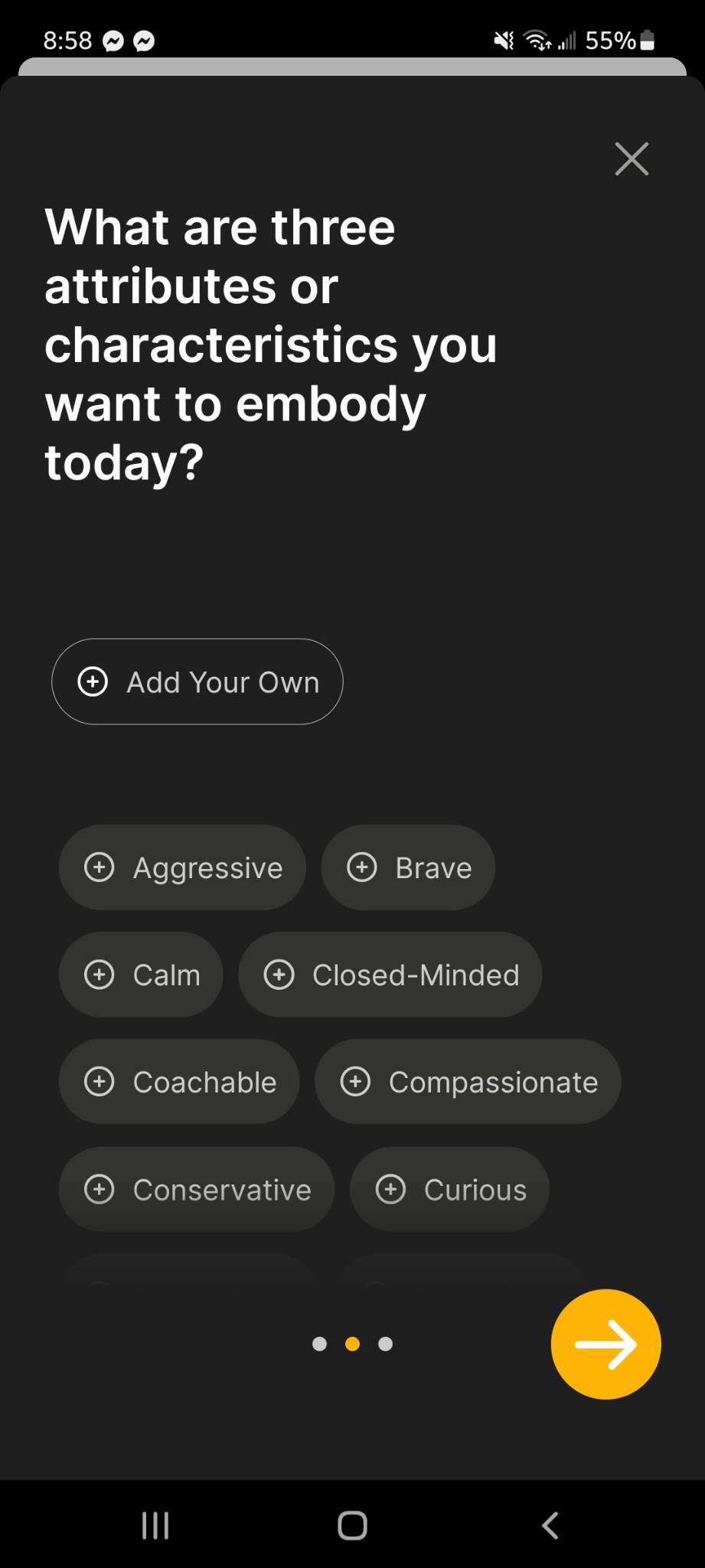
Solution: This app frames every area of life a user can set intentions for as a “mindset.” Some examples of the mindsets that are free to use in the app include General Mood, Characteristics, Energy, Stressors, and Gratitude (premium version supported a lot more options). Any of the provided mindsets can be turned on to make it a part of the user’s morning check-in routine, and the user creates a “morning self” each morning by checking in as prompted by the app based on their selected mindsets. All of the check-in prompts are intention-focused, asking the user what attributes they want to embody today and why (for Characteristics mindset), and how they want to allocate today’s energy to different parts of their life (for Energy mindset). The user is able to view each entry later on and check in again if they’d like.
Strengths: This app is essentially a journaling app designed specifically for the morning. The mindsets, though quite limited in the free version, cover a wide range of aspects of life that the user might want to set intentions for, and there are thoughtful prompts tailored to each specific mindset for the user to answer. The app is simple to use yet offers enough specialized support for each area of life so that the user can focus on setting their intentions for their chosen mindsets each morning.
Weaknesses: While the app is designed to help users easily and consistently set their intentions for the day, it seems to put more mental effort on the user than necessary when the user answers the prompts for each mindset. For example, the Characteristics mindset has upwards of 30 adjectives, all displayed in a flat list in alphabetical order, for the user to select from, and includes strange choices like “passive” and “closed-minded” that are most certainly not characteristics that people tend to want to embody. Having such a big list puts a mental burden on the user and might overwhelm the user, especially when they’re supposed to be setting intentions. In our project, we will focus on prompting the user to focus on one aspect of their morning routine at a time, and gradually allow them to add additional aspects that they hope to improve, so as to not overwhelm the user and to reduce the possibility of decision fatigue.
Images of the app (from app store and from phone screenshot):

3. Morning Routine: Wake up Alarm – Mobile App (Jasmine)
Problem: From the time a person wakes up to the next 30 minutes or so after they get up, a lot of things can happen (or not happen) that don’t go according to plan. This mobile app combines an alarm, an activity tracker, and a journal into one tool that aims to help the user start their day as easily and productively as possible.
Target audience: Users who want to incorporate meditation, self-affirmations, exercise, diary writing, success visualization, and/or reading into their morning routine and wish to be able to track all of these activities in one single app that shows visually-pleasing illustrations.
Solution: This app provides a basic alarm and six different activities that can be included in the user’s self-set morning routine. The user can create a morning routine plan with activity names and intended duration. The medication feature offers guided, music-only, and silent sessions for any length of time the user sets. The five other features are similar in that there is a timer that the user sets the time for and starts when doing the intended activity. The app provides instructions for what to do during that time for some of these activities. There is also an evening tab for evening activities that are designed to help improve sleep, such as meditations, background music, and reading timer.
Strengths: The two main selling points of the app are the visuals and the all-in-one design. The app is full of very visually pleasing illustrations that set a peaceful tone. The interface for the user to design their morning routine, down to the sequence of the activities and duration, is simple and straightforward. The timer-based functionality allows the user to easily track their activities during the morning routine all in one app, without having to, say, write their journal entries in their own notebooks or another app.
Weaknesses: The six activities that the app provides feels quite limiting, and the instructions the user receives for these activities seem too simple and vague. For example, the self-affirmation activity simply provides a list of affirmative quotes and a timer, without explaining what the user is supposed to do or why. It’s unclear whether the app is trying to offer a breadth of activities or a set list of activities with specialized support. For each of the activities, there is likely some app out there that supports it better than this app, so simply being able to keep track of one’s morning routine in this app isn’t helpful enough. For our project, we will not focus on any specific activities like this app does, because we don’t want to give our users the idea that an activity is more important/effective than others, or force them to do specific activities. Instead, we will focus on helping the users perform their morning in the way and at the time they feel is ideal for them.
Images of the app (from app store and from phone screenshot):


4. Morning Healthy Habits – App (Ahsan)
Problem: Getting the best outcome from a morning routine depends on knowing what kind of activities lead to what outcomes. A good morning routine can help someone not only with physical health but also spiritually and mentally. Most people don’t have enough scientific knowledge of the implications of different morning activities and motivation to change their routines.
Target audience: People who want to build a morning routine that helps them physically, spiritually, and mentally.
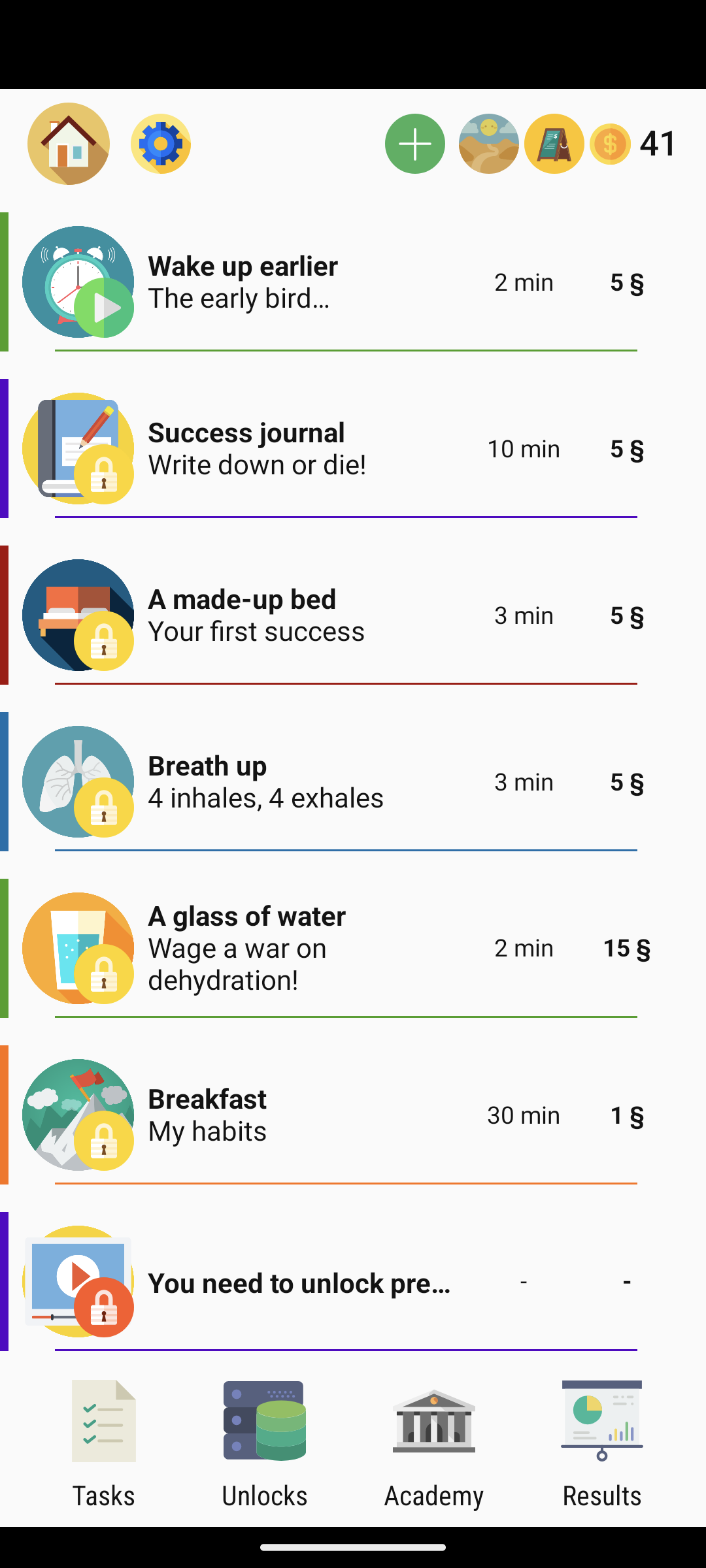
Solution: This app chooses the right activities for you to achieve the best outcome from your morning routine. The activities expand from short activities such as breathing to long workout sessions. The app also utilizes coin-based gamification to motivate people.
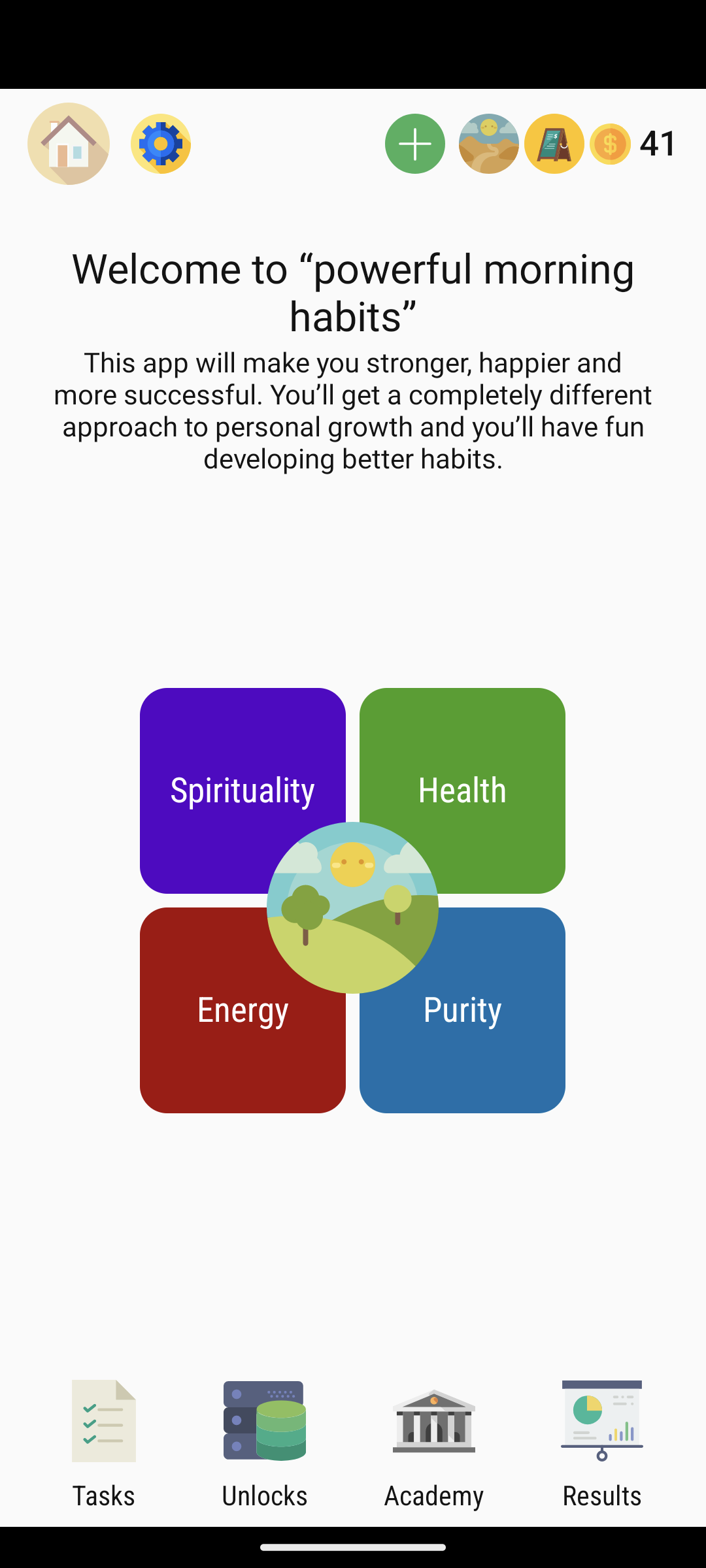
Strengths: Gamification, option to create your own activities, study materials, coaching, incremental approach – you can’t add a new activity without enough coins and coins can be earned only by successfully completing an existing activity. Furthermore, one of the biggest strengths of this app is its progress tracker. Unlike other apps that usually track progress on task completion, this app translates the progress into four categories: Spirit, Health, Purity, and Energy. These categorized progresses show how the user is doing in the category they care about.
Weaknesses: The UI is a little cluttered and too many features to choose from, a lot of the features require a paid premium version. Furthermore, creating custom activities also requires some coins. This means that the user won’t be able to add an activity they are interested in unless there is enough coin. Since priorities are often different for different people, we plan to provide users with ample flexibility on how they want to build their routines. Somebody may be more interested in reading in the morning and keeping the workout sessions for the afternoon.
Images of the app (phone screenshot):

5. Miracle Morning – App based on a book (Ahsan)
Problem: Organizing a set of activities to build a morning routine in a short time requires expertise in habit-building and activities. Oftentimes an expert coach or a book to guide people can be of tremendous support when building a new habit. However, hiring a coach or following a book word by word isn’t a feasible option unless someone is rich or has a photographic memory.
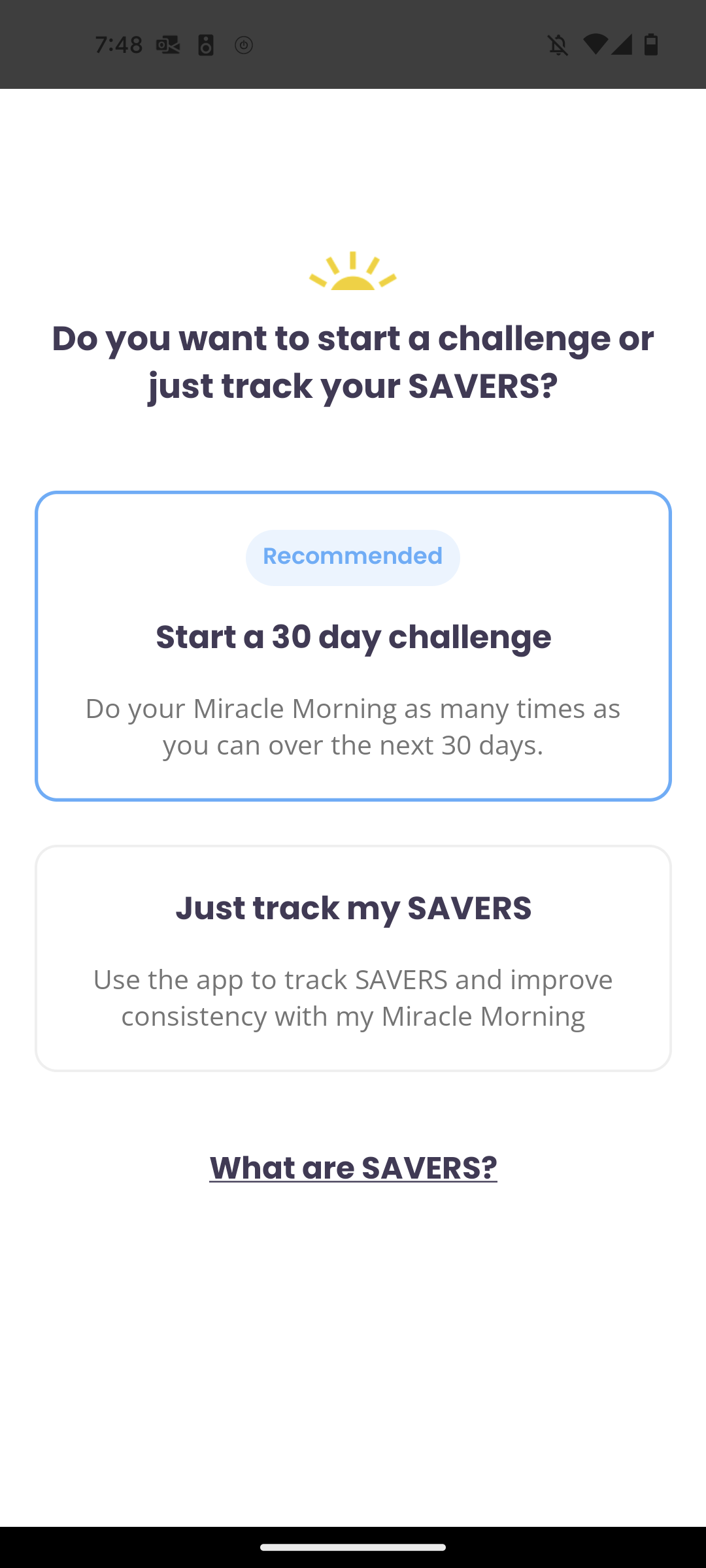
Target audience: People who want to build a morning routine in a short time (30 days), however, are not sure about what the new routine should look like or how to go about building a morning routine.
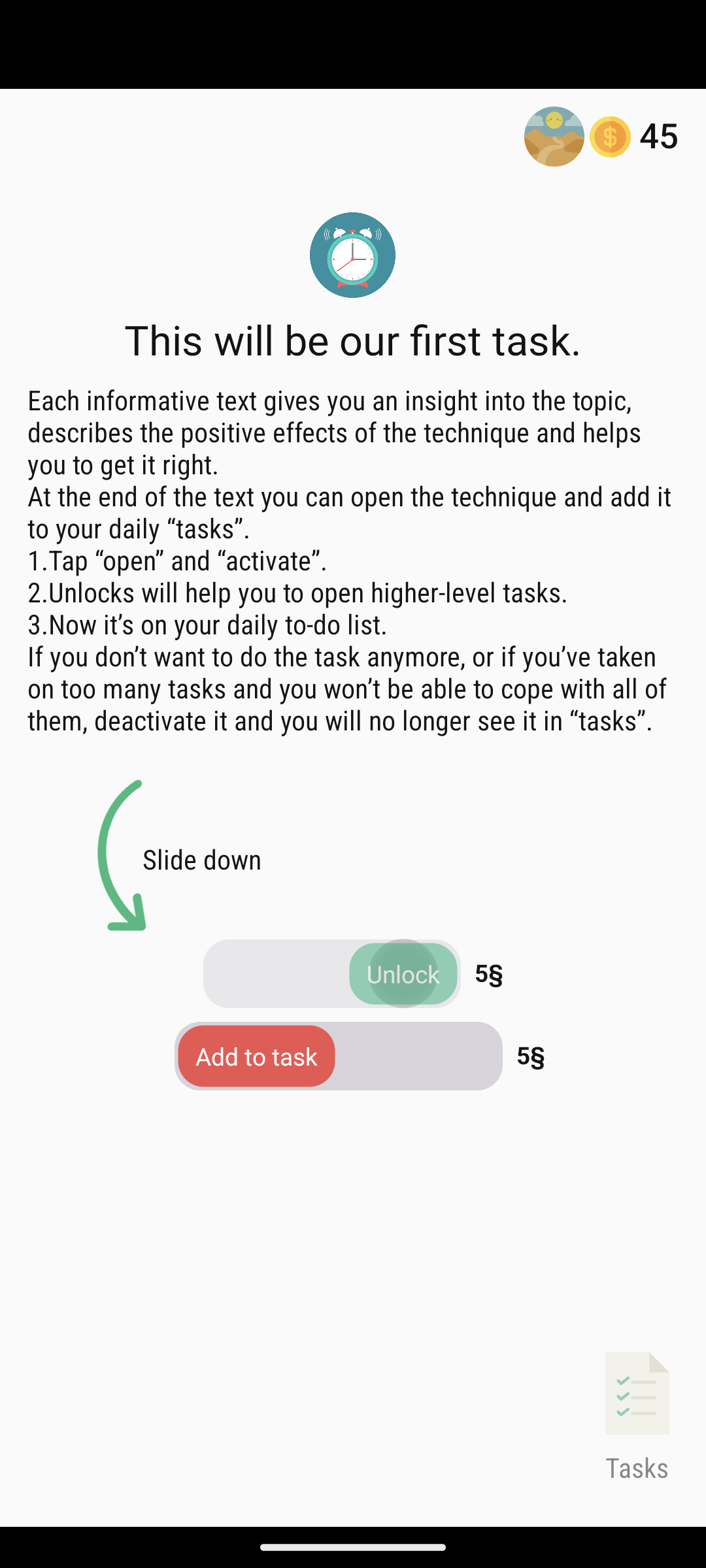
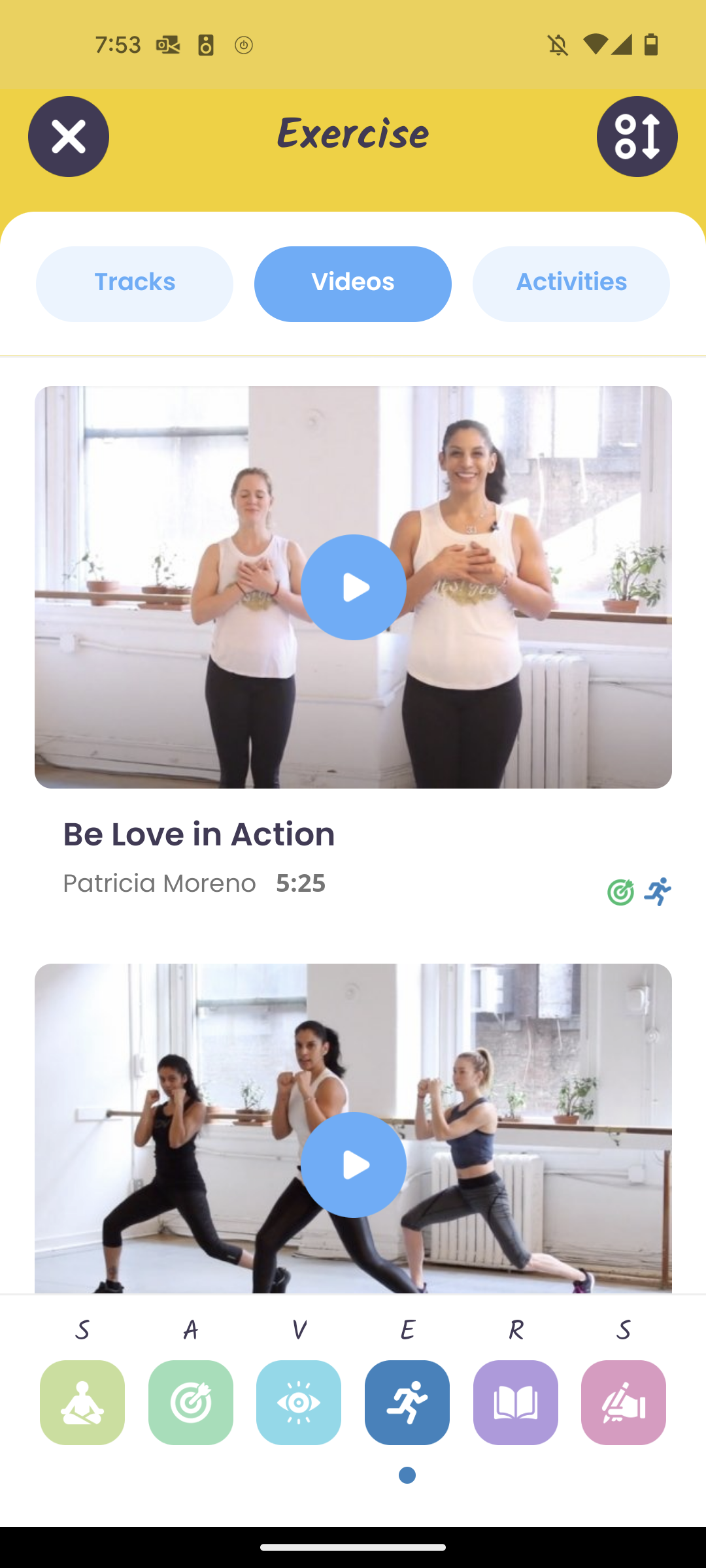
Solution: This app is built by the author and success coach Hal Elrod based on his book “Miracle Morning”. The app provides video tutorials, tracks progress, and provides other resources such as affirmations, audio tracks, and motivational speeches. The app motivates daily check-in by guaranteeing a better routine within 30 days.
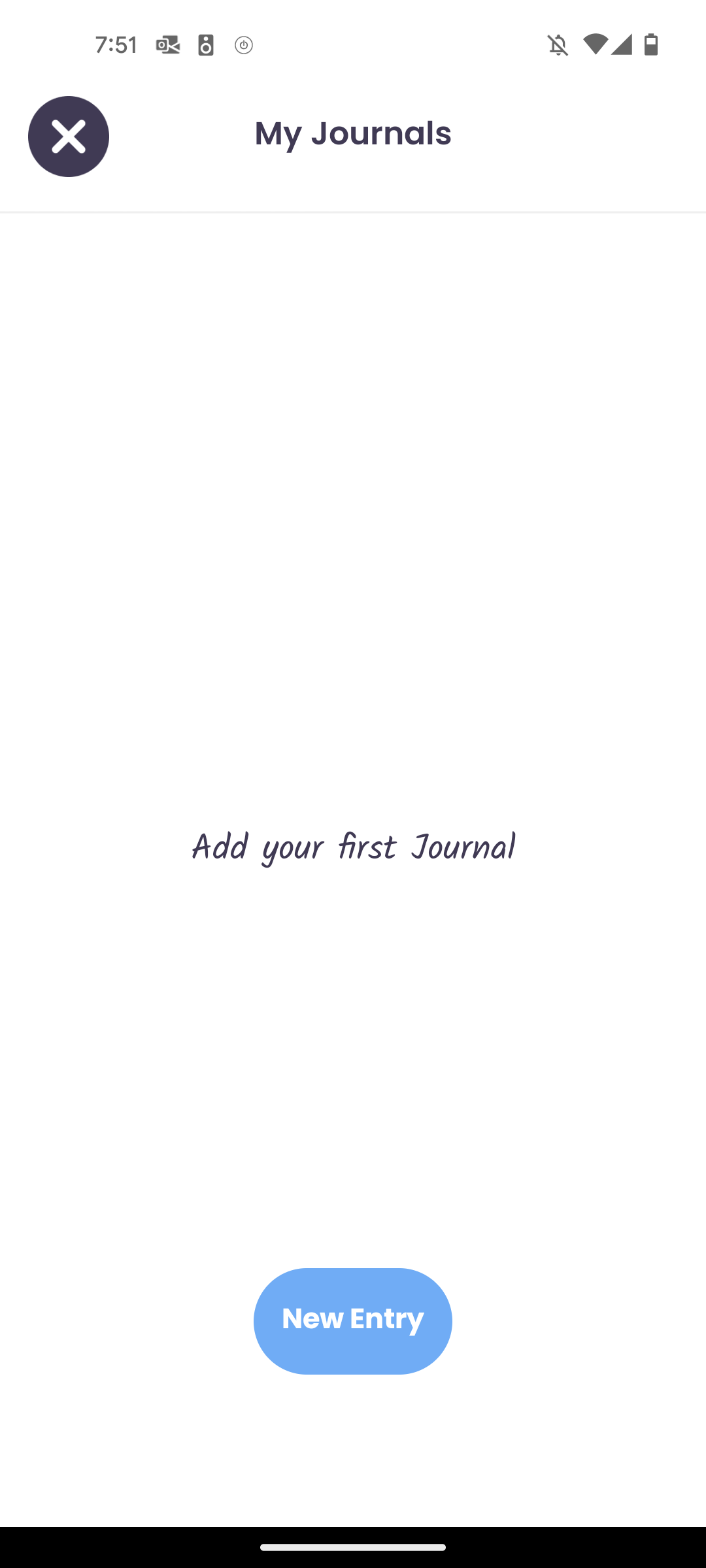
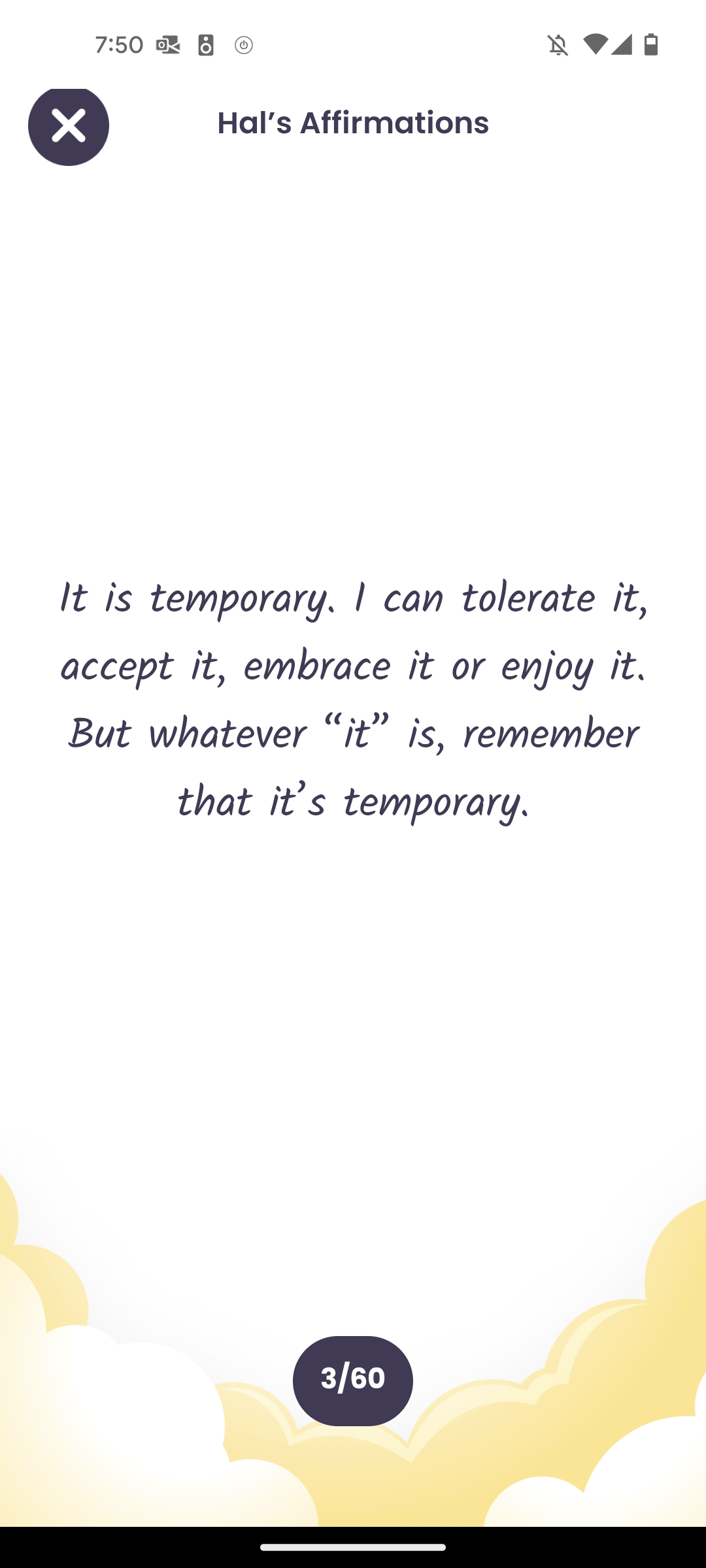
Strengths: Expert coaching, rich set of audio and video resources, in-app journaling option. The app provides many affirmation texts and recordings presented categorically based on the outcome of the affirmations. The app also lets you share progress with fellow users and friends which can be helpful for accountability. If the user is confused or stuck at any point, the app provides tutorial videos to help the user.
Weaknesses: Pretty much all of the features except for the bare minimum are hidden behind a paywall, no reward system to motivate consistency, and doesn’t let users add their own tasks. Besides providing resources for motivational speeches, the app doesn’t otherwise provide any incentives or nudges to be consistent. Oftentimes, the users are well aware that they need to change their morning routine. For such users, motivational speeches don’t play a big factor. We plan to incorporate nudges into our app using the methodologies of BJ Fogg as mentioned in the book “Tiny Habits”.
Images of the app (phone screenshot):

6. Alarmy – Mobile App (Jessica)
Problem: People struggle to wake up or get up in the morning, even with an alarm. Whether it’s caused by a poor night’s sleep or a lack of motivation to get up, some individuals have trouble getting their day started.
Target audience: Individuals who struggle to wake up or want to be more alert when they hear their alarm – this could include students going to school, people going to work, or anyone who wants to wake up by a certain time.
Solution: Alarmy requires a user to complete a task before shutting off the alarm, which in turn makes them more alert. It also allows users to choose from a much wider range of alarm sounds than standard alarms or alarm apps . The combination of customizable sounds and tasks can help a user gradually wake up at a more consistent time and feel more energized throughout the day.
Strengths: The app offers customizable activities, such as ‘math missions’, ‘typing’ missions’ and ‘photo missions’, which allow a user to select whichever activity makes them most alert. Similarly, users can choose from a wide array of alarm sounds to find the most stimulating one. The app also offers ‘sleep mode’, which helps put a user to bed so that they can wake up the next morning energized. Customization, universal tasks, and simple and intuitive UI are the app’s key strengths.
Weaknesses: Even with alarm noises, users could still sleep through the alarm. Activities may become boring or redundant over time. Furthermore, the app does not motivate users who are awake to get out of bed. To address these problems, we will focus on helping users find invigorating activities and form positive thoughts that encourage them to get started with their day.
Images of the app (from app store):


General Routine & Habit Building
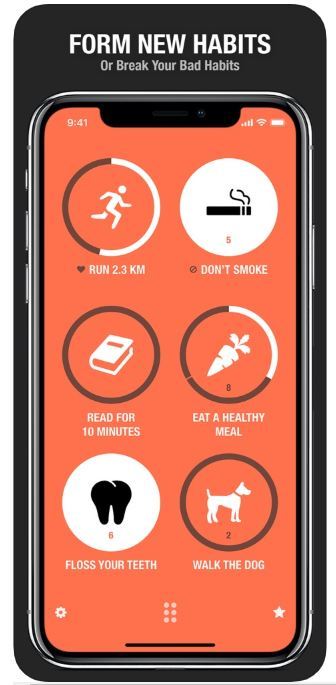
1. Streaks – App (Jason Mei)
Problem: Individuals have a hard time building habits from scratch, Streaks addresses this by automating a lot of the needed steps to start / keep track of a habit.
Target audience: Users who wish to have a very simplistic interface and system that allows users to track their previous achievements in maintaining a routine and customize activities to the user’s preferences. Users who want seamless integration with IOS devices.
Solution: Streaks provides a very elegant system synchronizing the IOS health app with your current habit goals. Motivates users to continue by providing a streak system to reward individuals for sticking to their routine.
Strengths: Simplicity makes it very approachable and easy to use, removes unnecessary functionality to reduce clutter and confusion. Streaks allows users to set certain routines for a particular day to avoid losing a streak for no reason. Notifications, integration with IOS phones, mac, and watches, fun modern UI.
Weaknesses: Its simplicity also leaves some users wishing for more. Complex wording of functionality makes it difficult for new users to understand intent, Glitchy, Sometimes unintuitive. In our project, we hope to build on top of the amazing success of Streaks while also improving on a lot of the difficulties and barriers that come with getting started with a new tracking mobile app. Our belief is that if we make the design as intuitive and easy to use as possible, it can almost become second nature for an individual to get started with our app and keep up on their habits. We also want to improve upon the features of our app to encourage more engagement as it was apparent that most individuals started to drop their morning routines / tasks once they lost their streak as they feel demotivated to continue whether it be intentional or a bug.
Images of the app (from app store and from phone screenshot):

2. Routinery – Mobile App (Jessica)
Problem: Individuals struggle to manage their time, which could be affected by numerous factors such as distractions, low concentration, or compounding tasks. Oftentimes, the root cause of poor time management is a lack of good, healthy routines.
Target audience: People who want to build better habits and routines, manage their time better, and improve their health and wellness.
Solution: Routinery helps users build routines by prompting them to write down routines they want to follow and set goals for each one. Specifically, users can customize the frequency in which they want to complete certain routines as well as the days they want to work on them, and they can also add any additional notes that might be helpful for their routine. The app sends users reminders about their goals to help them stay on track. It also provides users analyses of their goals, where users can track their progress for individual goals by day, week, and month.
Strengths: Customizable settings for each routine helps a user set realistic goals. Since the settings are granular on time, date, and frequency, users must really consider what their goals are and how they are going to achieve them. Notifications also help users stay on top of their routines and goals. The breakdown of progress for each routine serves as a journaling mechanism for users, which can help them feel a sense of accomplishment and motivate them to continue with their routines.
Weaknesses: Users could view documenting each routine as overly tedious. Additionally, not accomplishing all the routines could cause productivity guilt for users. To combat the issue of documentation, we will consider using routine templates to help users quickly write down routines and AI to detect if they have completed a routine. We will also think about how to build or maintain intrinsic motivation in users who are doing well with their routines, as well as how to encourage users who have been off track to get on track with the routines they wish to follow.
Images of the app (from app store and from phone screenshot):






Comments
Comments are closed.