Spotify, LinkedIn, and TikTok quantify success through distinct core business metrics: listening time, session frequency, and ad targeting. While each heavily invests in personalization to drive these metrics, the Return on Investment (ROI) is critically dependent on their individual business models.
Spotify’s personalization algorithm provides highly effective recommendations, automatically filling a user’s queue based on their overall preferences and recent history. Consider the screenshot below from my Spotify app. I had chosen to listen to a Telugu song, and Spotify populated a seemingly infinite queue of recommended songs in the same genre and language; the tailored recommendations make me (or any user) more likely to continue listening without having to search for new songs. The ROI on Spotify’s personalization is tremendous, as it justifies the premium cost over cheaper alternatives, making it difficult for a user to return to other non-personalized music services.

On the other hand, LinkedIn uses personalization through suggested posts, like those connections have “liked,” to support its metric of session frequency. Users are more likely to log in if they expect interesting and relevant information on their professional feed. While this ROI isn’t as large as Spotify’s (there is still a barrier to session frequency if users are not interested in professional content at a given moment), this personalization bolsters LinkedIn’s brand as the single best platform for professional social media as a long-term marketing strategy.

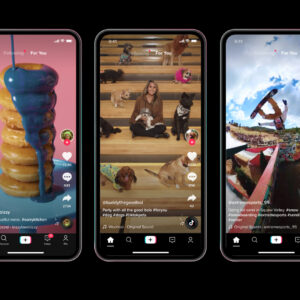
Finally, TikTok derives its revenue from ads, and the amount of ad revenue extracted per user is directly proportional to the time spent on the platform. As a result, TikTok’s personalization of content (including targeted ads) creates a massive ROI. By enticing users to stay longer on the app through curated content based on their interests and data, TikTok successfully delivers more ads and generates higher ad revenue per user.