
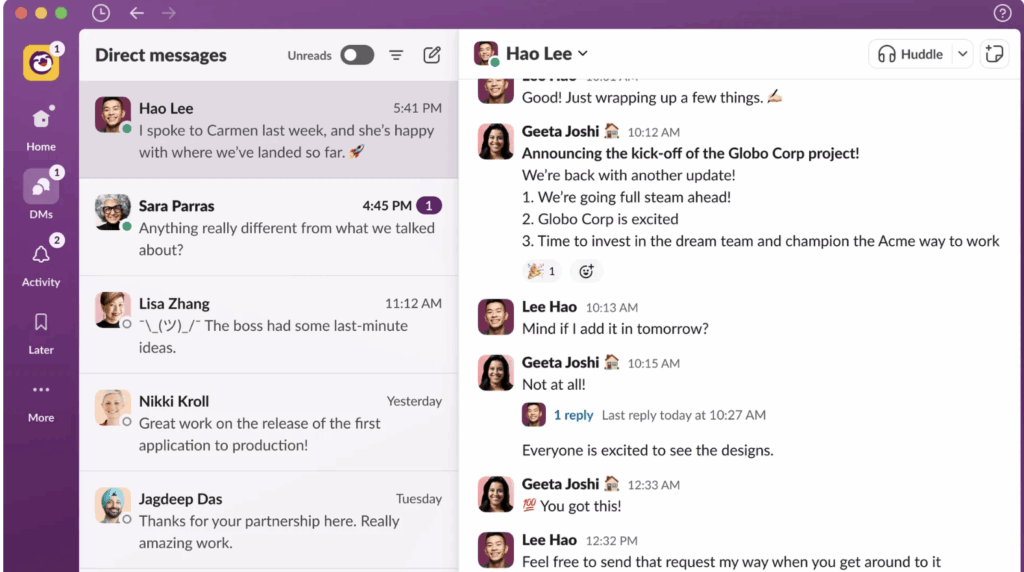
In Slack, a failed send or outage breaks the team feedback loop and taxes retention revenue through drops in daily and monthly active use and eventual seat churn. According to the error recovery principles we discussed in class, strong recovery follows a clear sequence: explain the state, preserve user effort, then offer a safe next step. Slack should convert every failed send into a threaded draft that keeps mentions and attachments, label it clearly, and autosync once connectivity returns. A small uptime banner with a credible estimate would cut context switching. I believe this applies graceful degradation plus visibility of system status particularly well, protecting both habit formation and renewal value.
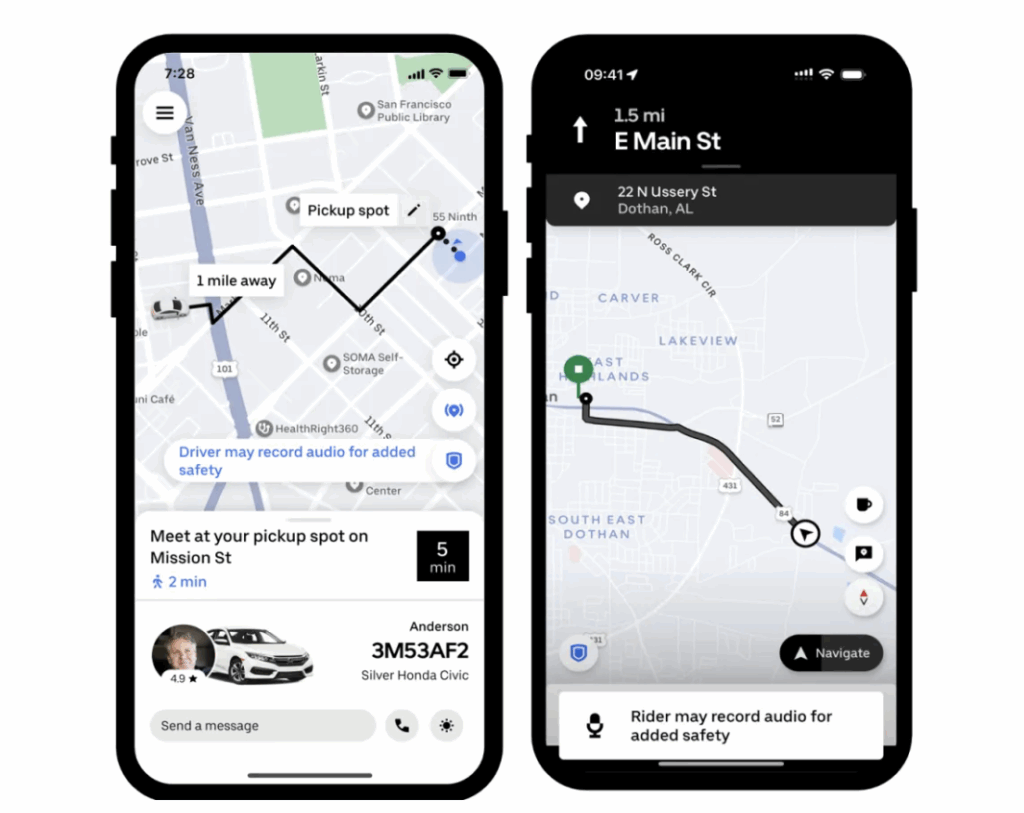
In Uber, matching, location, and payment errors threaten trip completion and the take rate while wasting driver time and risking supply churn. The service recovery guideline emphasized that effective systems rematch quickly with visible estimates and handle payment gracefully. Uber should adjust fares automatically and step through payment fallback in a single sheet, from retry to alternative card to wallet. I think a brief timer for the driver waiting time after hiccups would stabilize earnings on both sides, and if done well, this recovery could even exceed baseline satisfaction.
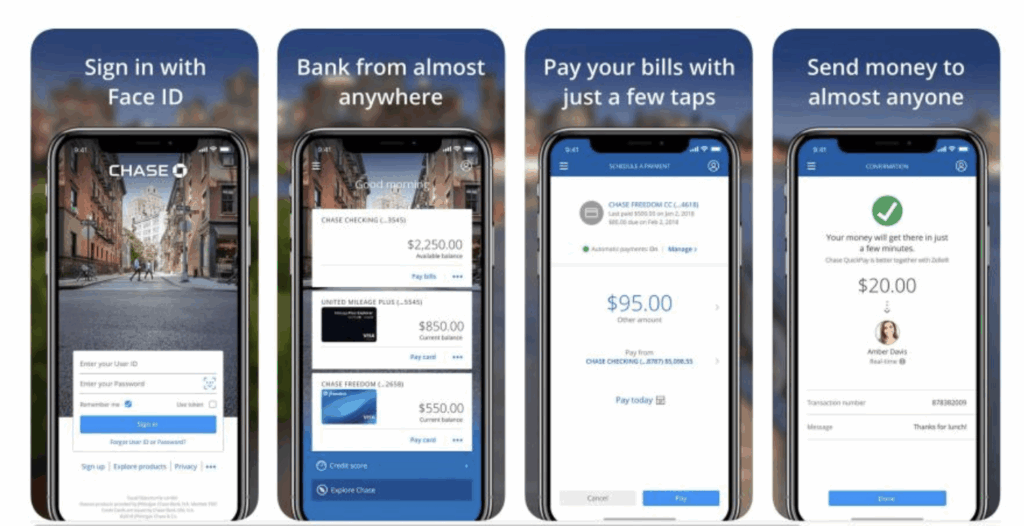
In banking apps, errors severely damage trust, drive support costs, and can trigger deposit flight and compliance exposure. According to the usability heuristics discussed in class, visibility and user control are critical in high stakes fields. The fix requires human-readable errors, instant rail status showing transfer pending with arrival dates, provisional credit on disputes, and offline locking card feature that syncs later. Adding a degraded-mode ledger that watermarks stale balances and a transfer timeline showing each hop would pair visibility with auditability. I believe this approach reduces operational noise while rebuilding the trust that regulatory compliance alone cannot guarantee.



