
Netflix
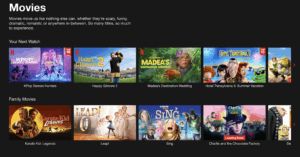
Netflix’s whole goal is to present the best matched content as immediately as possible to create as strong of a perceived value proposition for the subscription as possible. To this end, their goal is to just surface things they’ll assume a user will want really enjoy to decrease the time between opening Netflix to consuming “desired” content to as little as possible. This manifests in Netflix’s content scroll which basically just uses ML to match users to content they assume the user will like right away.
YouTube
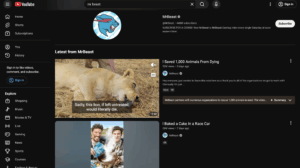
YouTube’s whole goal is to keep users watching as long as possible to deliver as many ads as possible. Since YouTube is free, user’s have less buy-in with the service and need content that acts as a hook to start consumption (especially if there isn’t prior data youtube can use to surface recommendations for users without accounts). To do this, YouTube provides a search that enables users to start with content they’re explicitly interested in. From there, YouTube picks up on watch patterns, and starts trying to feed users into video-after-video binges, tweaking recommendations based on watch time as the user goes, keeping the user around as long as possible.
Airbnb

Airbnb’s goal is to have as high of a conversion rate from potential customer to actual customer as possible. Airbnb gets high returns on each booking, so all they care about is giving the most ideal match to a customer to ensure they convert. To achieve this, there is heavy emphasis on the filter system in the search, allowing users to get rid of as many matches they won’t pay for as possible, making the ideal match much easier to find.



