

Netflix deliberately buries search beneath algorithmic rows like “Top 10 in Your Country” and “Because You Watched.” This is strategically brilliant for maximizing watch time, where every search implies intent and risks users finding nothing and leaving. “Continue Watching” sits prominently at the top, satisfying returning users while funneling everyone into the following feed. However, rows become repetitive. Users scroll past duplicate “Trending Now” titles daily. The qualitative usability testing we discussed in class is likely to reveal this friction. A better approach would be for Netflix to rotate row types more aggressively or introduce a “New Since Yesterday” row to maintain freshness without requiring an actual search.
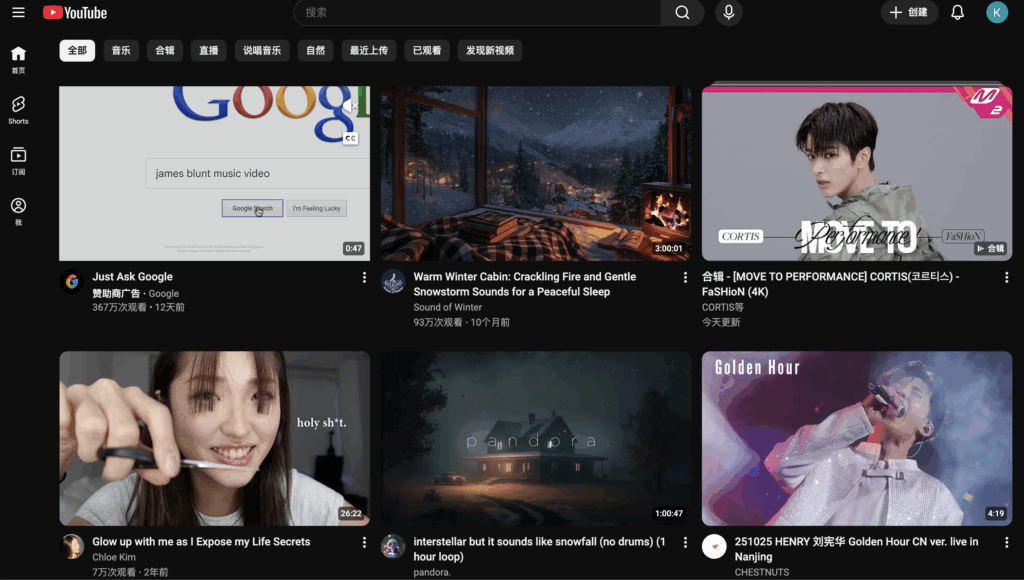
YouTube’s prominent search bar coexists with an algorithmic feed as its ad model needs both volume and retention. The flaw could be that search results now include algorithmic suggestions that dilute the intent of intent-driven queries. If I search “dishwasher repair,” showing me “10 CRAZY kitchen hacks” mid-results optimizes for clicks but lessens search quality. This design decision tells us that YouTube is prioritizing engagement metrics over user satisfaction. As we discussed in class, user research through A/B testing would help determine whether this harms retention among high-intent users. It may be better to have separate search results from recommendations entirely.
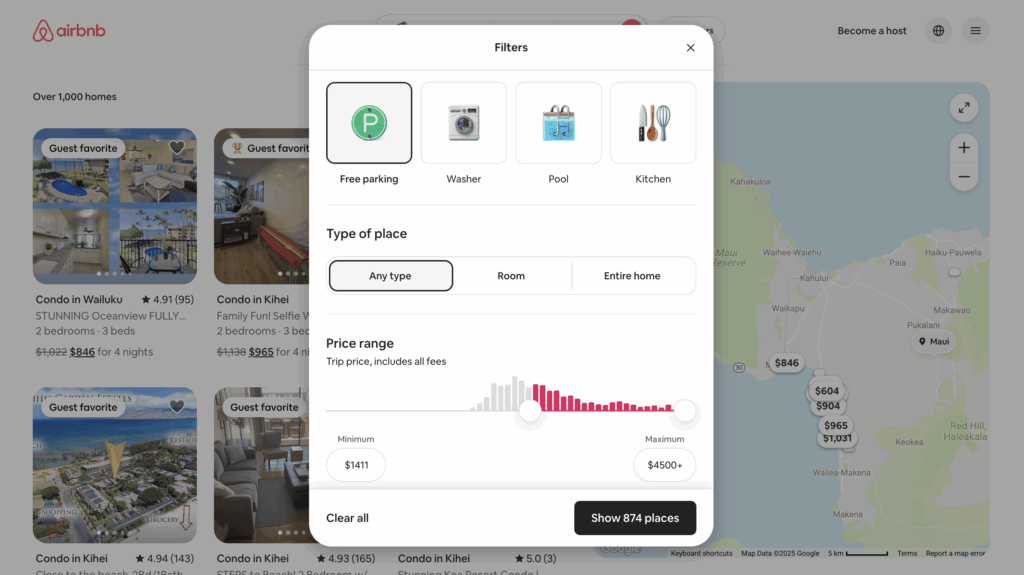
Airbnb’s filter-heavy design is transactional perfection, meaning users arrive with high intent and constraints. The brilliance lies in progressive disclosure as the basic filters (dates, location, guests) appear first, with 20+ advanced filters hidden behind “More filters.” The weakness could be the filter’s immobility. Too many options can reduce conversion. The behavioral analytics would show where users abandon the search flow. Airbnb could potentially improve by showing “popular filter combinations” or learning from user behavior: “80% of users searching your area also filtered for entire house and parking.”



