Spotify, LinkedIn, and TikTok all personalize the user experience, but each does it to support a different core metric.
Spotify
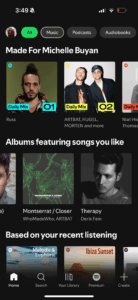
Spotify’s goal is to increase listening time. The app learns a user’s habits like what they replay, skip, or search, and uses that to shape playlists and recommendations. This removes the effort of choosing music and keeps people listening longer. Longer sessions mean stronger retention for Premium and more ad impressions for free users.
LinkedIn focuses on getting people to return often. The feed, job suggestions, and notifications are all tuned to a user’s profile and past clicks. Even light signals, like saving a job or viewing a company page, adjust what shows up next. More frequent sessions give LinkedIn more chances to serve ads and highlight premium products. The ROI comes from steady engagement that supports both their advertising and recruiting tools.

TikTok
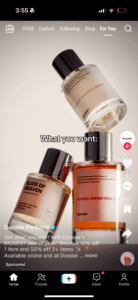
TikTok personalizes in real time. The For You Page adjusts based on how long someone watches a video, whether they swipe quickly, or if they rewatch something. This makes the feed tightly matched to a user’s interests, which increases watch time and improves ad targeting. Better targeting means advertisers pay more per impression, so the return on investment is high. Personalization creates more time spent and raises the value of each ad slot.