Spotify, Figma, and the NYTimes follow a similar customer acquisition pipeline: they attract users with “free” offerings before pushing premium subscriptions. However, each company’s distinct approach to this conversion process speaks to their underlying product priorities and customer base.
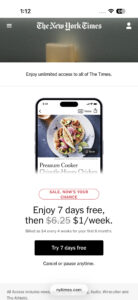
NYTimes presents the most jarring user experience; an article is interrupted by its paywall. This creates an immediate push to subscribe to finish reading what they started. However, it also adds friction, as a customer may likely realize they no longer need the article and will leave the site. While this friction drives away some users, it also ensures that those who do subscribe are customers who truly value NYTimes articles and are likely long-term subscribers, maximizing lifetime value.
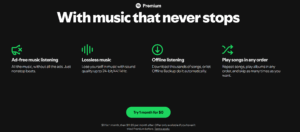
Spotify positions its premium subscription as a solution to the inconveniences of free music – no ads, high quality audio, and a seamless music listening experience. By presenting this premium option after a user has both experienced the benefits of Spotify’s vast music platform and understood the issues the premium subscription addresses, it dampens the friction of users paying for a premium subscription and maximizes lifetime value because it has justified the need for a better listening experience.
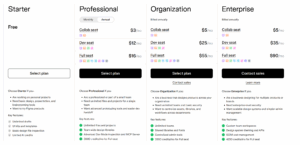
Conversely, Figma’s appeal for users to upgrade to paid versions does not rely on solving the issues of their inferior free version; instead, Figma positions their paid software as scalable, “enterprise” versions of the products users previously enjoyed for free. Rather than convincing small groups to convert to a paid solution, Figma targets the deeper pockets of larger enterprise customers who are less averse to paying software subscription fees and likely to continue using their product in the long term. This further enables Figma to use its community of individual users who work at larger companies to advocate for their product to these enterprise customers.