From my experience diving into freemium models like Spotify, Figma, and the NYTimes, I noticed a few things:
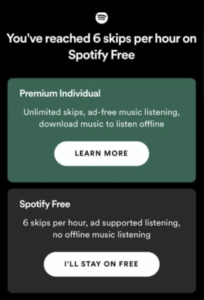
With Spotify, the annoying ad breaks and shuffle-only mode on free accounts feel like simple nuisances, but I realized they’re carefully designed friction points. They’re just frustrating enough to make you consider premium without totally ruining the freebie experience. The smart timing of upgrade prompts—like when you skip too many songs—really shows how they nudge you when you’re most likely to convert. It’s not just about annoying users; it’s about building habit and then gently encouraging a pay upgrade.
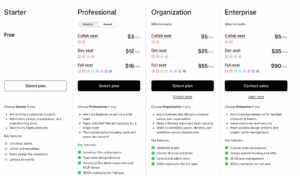
Figma’s approach is pretty subtle but cool. You can totally use it solo or with a tiny team, which hooks you in, but as soon as your team grows, moving to paid is almost automatic. That transition feels natural because the product dependency grows with collaboration. I think the key is how low friction scales, individual users don’t feel pushed, but growing teams feel the need to upgrade, which maximizes lifetime value in a way that’s about expansion, not just converting individuals.
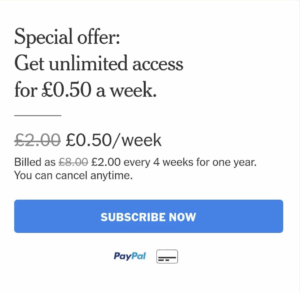
The NYTimes was the most interesting. It feels like you can read freely forever, but once you become a heavy reader, the paywall pops up softly enough that it doesn’t feel like a slap in the face. Instead, it’s a gentle nudge reminding you to support quality journalism if you’re really into it. It made me realize their freemium isn’t just about paying for news—it’s about converting longtime trust and daily habit into subscriber value.