Spotify
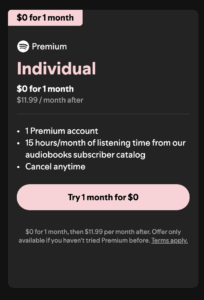
Spotify understands that a number of users see the value in streaming unlimited music, but not to the extent that they would pay for Spotify’s catalog on a monthly basis over going to another free platform like Youtube. By having an accessible free plan that unlocks all the base features, with premium features only for subscribers, Spotify can annoy free users into switching to the premium plan. The freemium conversion is really about degrading the free experience just enough, while allowing access to most of the feature set, to push people into subscribing (at which point users are unlikely to go back once they’ve gotten used to not having ads).
Figma
While Figma’s base design product is great for individuals, the big value-prop of the platform is making all the designs a team works on easily accessible across an organization with tons of collaborative features. Thus, getting one user on a cheap/free plan sells an individual on the features and make them more likely to bring Figma to their team, at which point a company (rather than an individual user, who is less willing to pay high subscription fees) can take over the plan to guarantee stronger controls over access/usage, maximizing profit for Figma through B2B deals.

NYTimes
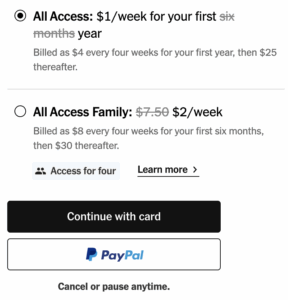
NYTimes makes the subscription cost super low, and gates access to virtually everything. Ideally, this will lead to a user buying into the subscription to read one article, and then providing just enough value that no one bothers to unsubscribe (since, though one individual might not want to read many articles, if they want to read anything they need to pay, and at $1/week it’s a pretty solid deal if you start reading more on a regular basis), maximizing value despite low consumption of content per subscriber.