Spotify
Spotify maximizes conversions by letting users experience most of the product for free, then using targeted friction to push upgrades. Free users can stream almost any song, which drives high engagement and habit formation. However, ads, limited skips, and the inability to download music for offline use introduce enough friction to make Premium feel necessary for convenience. This structure extends user lifetime value by creating long-term habits before monetization. Once users subscribe, the cost feels justified by the listening freedom they gain. The calculated risk is that some users may tolerate the free version indefinitely, but Spotify’s wide usage and social integration ensure that many eventually upgrade.
Figma
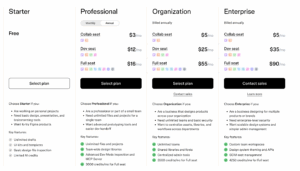
Figma’s freemium model is designed around collaboration. The free Starter plan includes generous functionality, encouraging widespread adoption among individuals and small teams. As teams grow, the need for shared libraries, admin tools, and security features naturally pushes organizations to upgrade. This strategy increases lifetime value by embedding Figma into a company’s workflow before charging. The friction is minimal at the start and only appears as teams expand, which feels logical and user-driven rather than restrictive. The calculated risk is delayed monetization, but the payoff is long-term retention and large-scale enterprise conversion.
The New York Times
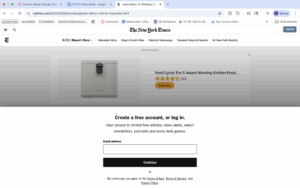
The New York Times uses a paywall that immediately restricts access to most articles. This high-friction approach creates a perception of exclusivity and emphasizes the publication’s credibility and quality. While it may reduce initial engagement, it increases the likelihood that readers who value reliable journalism will subscribe. This strategy maximizes lifetime value through committed subscribers who stay for consistent, high-quality content. The risk is losing casual readers early, but the trade-off favors building a loyal paying audience rather than maximizing free usage.