Quibi, Humane AI Pin, and Juicero demonstrate how companies can build impressive products without validating whether people actually need them. Each had an interesting vision, but all three confused technological innovation with customer value. Applying the lean startup principle of testing assumptions before investing heavily, I would have approached each differently.

1. Quibi
Quibi recognized the growing popularity of short-form content but assumed people would pay for professionally produced videos despite free alternatives like YouTube.
- We believe: People will pay $5/mo for premium short-form videos.
- To verify, we will: Launch a landing page featuring sample episodes and a paid subscription option.
- And measure: The percentage of visitors who subscribe.
- We are right if: At least 5% of 1,000 visitors purchase a subscription.
2. Humane AI Pin
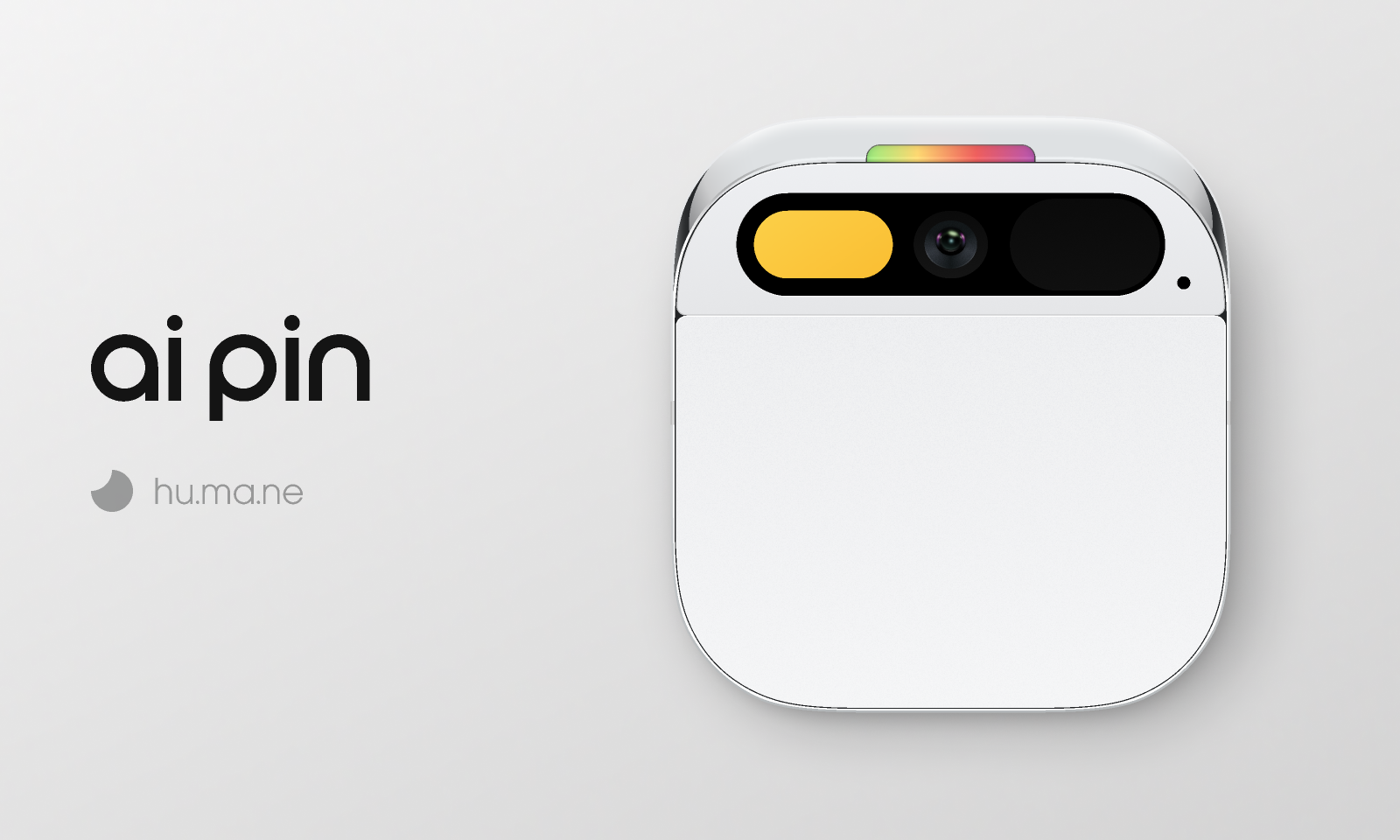
Humane’s vision of screenless computing was ambitious, but it assumed people wanted another device to perform tasks their smartphones already handled.
- We believe: People prefer hands-free AI assistance over using their smartphones.
- To verify, we will: Give 20 participants a wearable prototype powered by an existing smartphone for one week.
- And measure: The percentage choosing it over their phones for supported tasks.
- We are right if: At least 60% prefer the wearable.
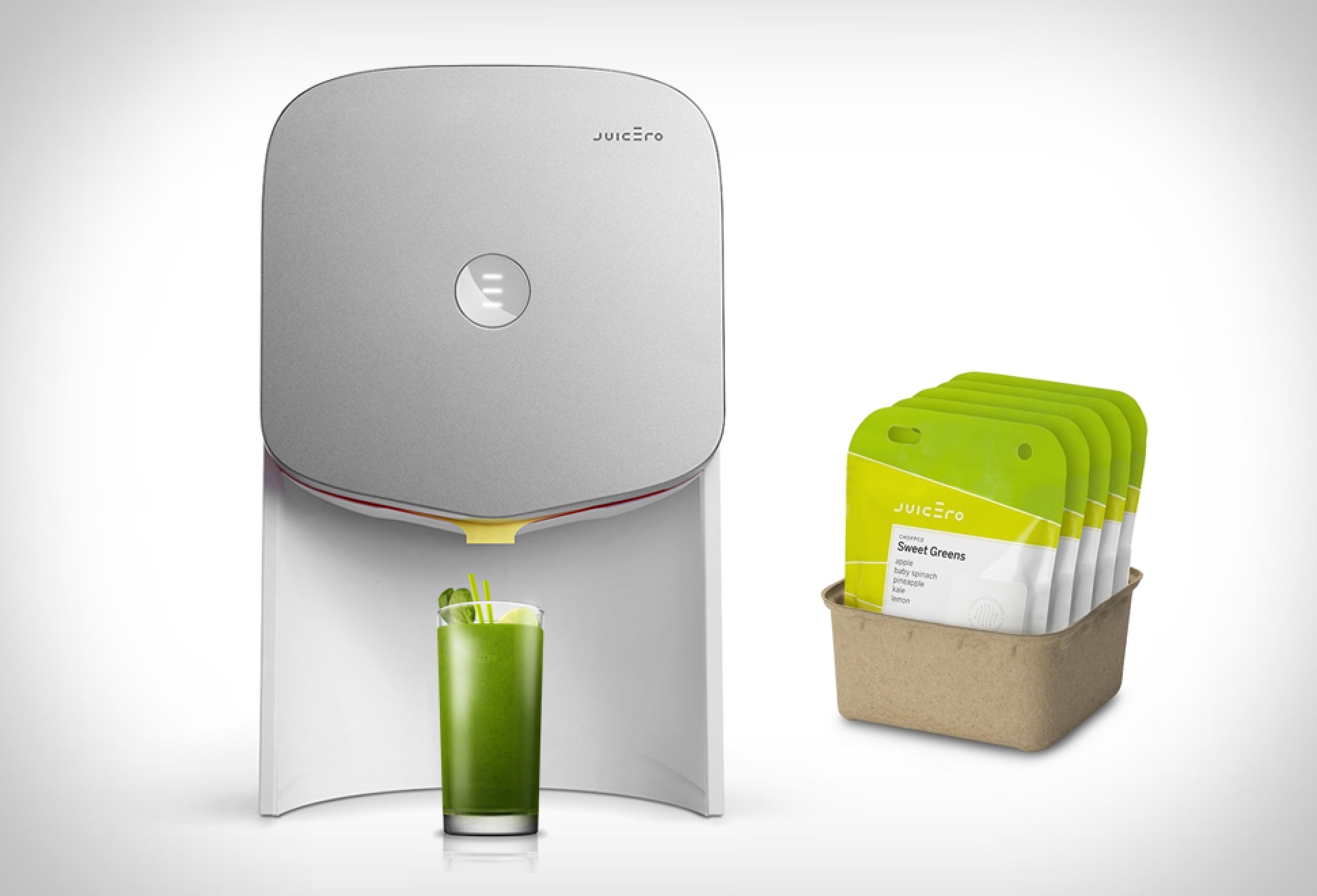
3. Juicero
Juicero engineered an expensive machine for juice packets that could be squeezed by hand.
- We believe: Customers will pay $400 for a machine rather than squeeze packets manually.
- To verify, we will: Demonstrate both methods and offer refundable preorders.
- And measure: Actual preorder conversions.
- We are right if: At least 10% of 100 participants preorder.
I think that these failures reinforce the idea that understanding what people value matters more than perfecting a solution. Each company could have challenged its riskiest assumption through inexpensive behavioral experiments before committing millions to development.