
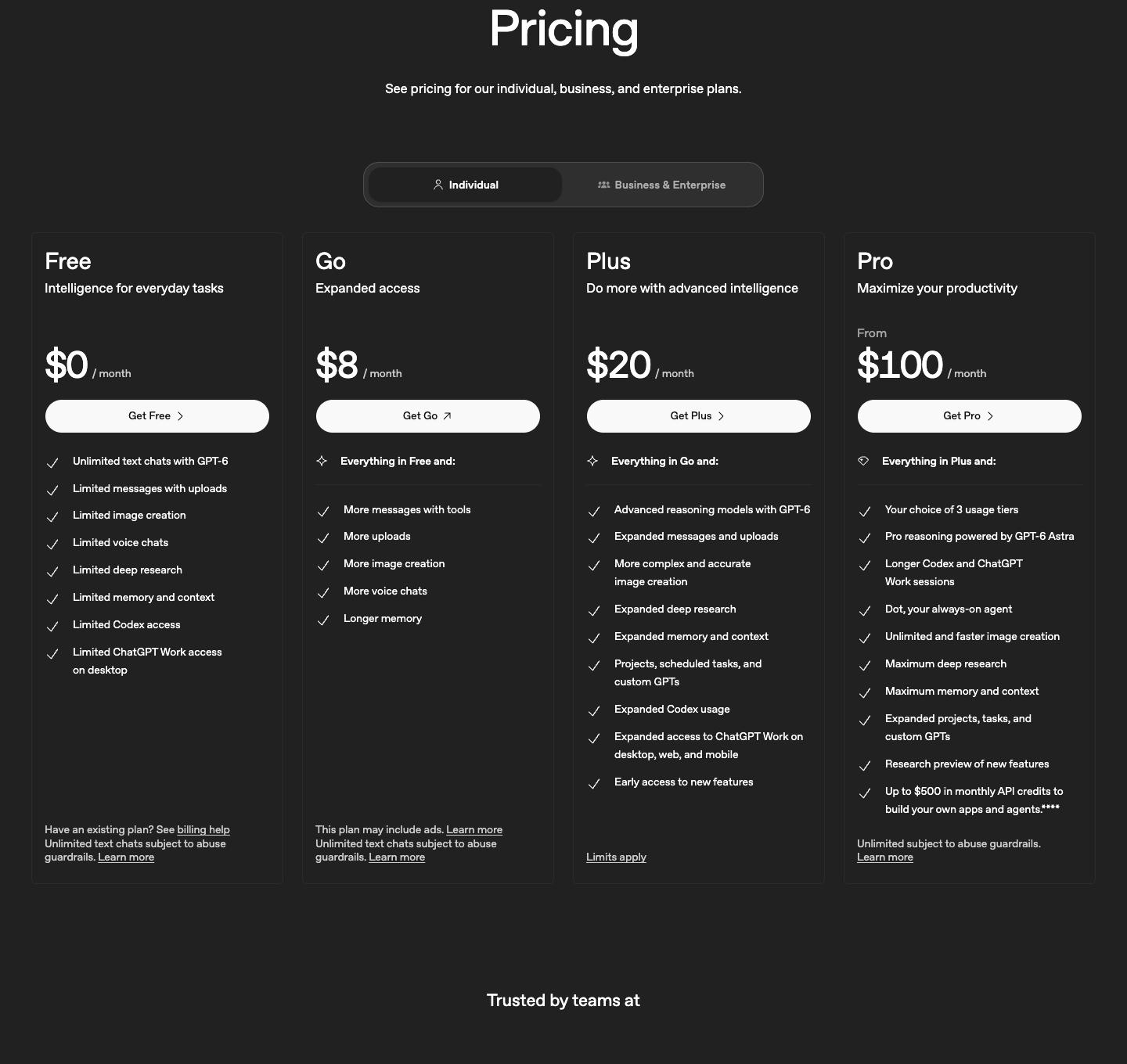
ChatGPT charges flat subscriptions, so users pay for access. Go is $8/mo with ads, Plus is $20/mo, and Pro starts at $100/mo with three usage tiers. Pro is “unlimited subject to abuse guardrails,” so OpenAI carries the risk when the AI is expensive to run. Sam Altman even admitted OpenAI was losing money on Pro. On the cheaper plans, usage caps push that cost back onto users. As well, if the AI is wrong, users absorb that risk because they are paying for answers instead of specific outcomes.
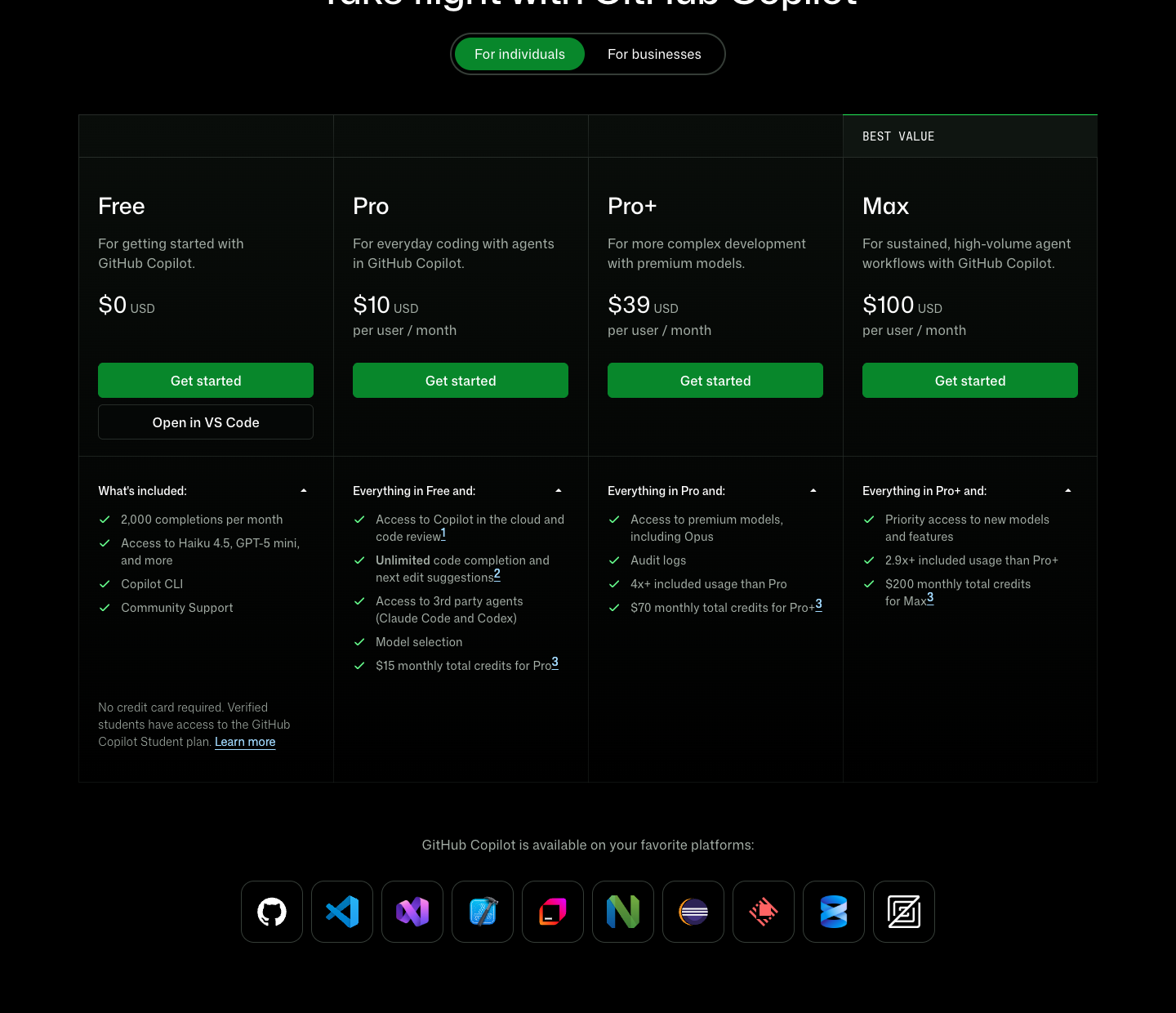
GitHub Copilot charges per seat, so it charges per person. Business is $19 per user per month and Enterprise is $39. Under pure seat pricing, GitHub carried the risk when a developer burned through tokens.That changed in June 2026, when GitHub started including a set amount of AI Credits with each seat and charging heavy users for the rest. Similar to ChatGPT, users still carry the risk of incorrect code.
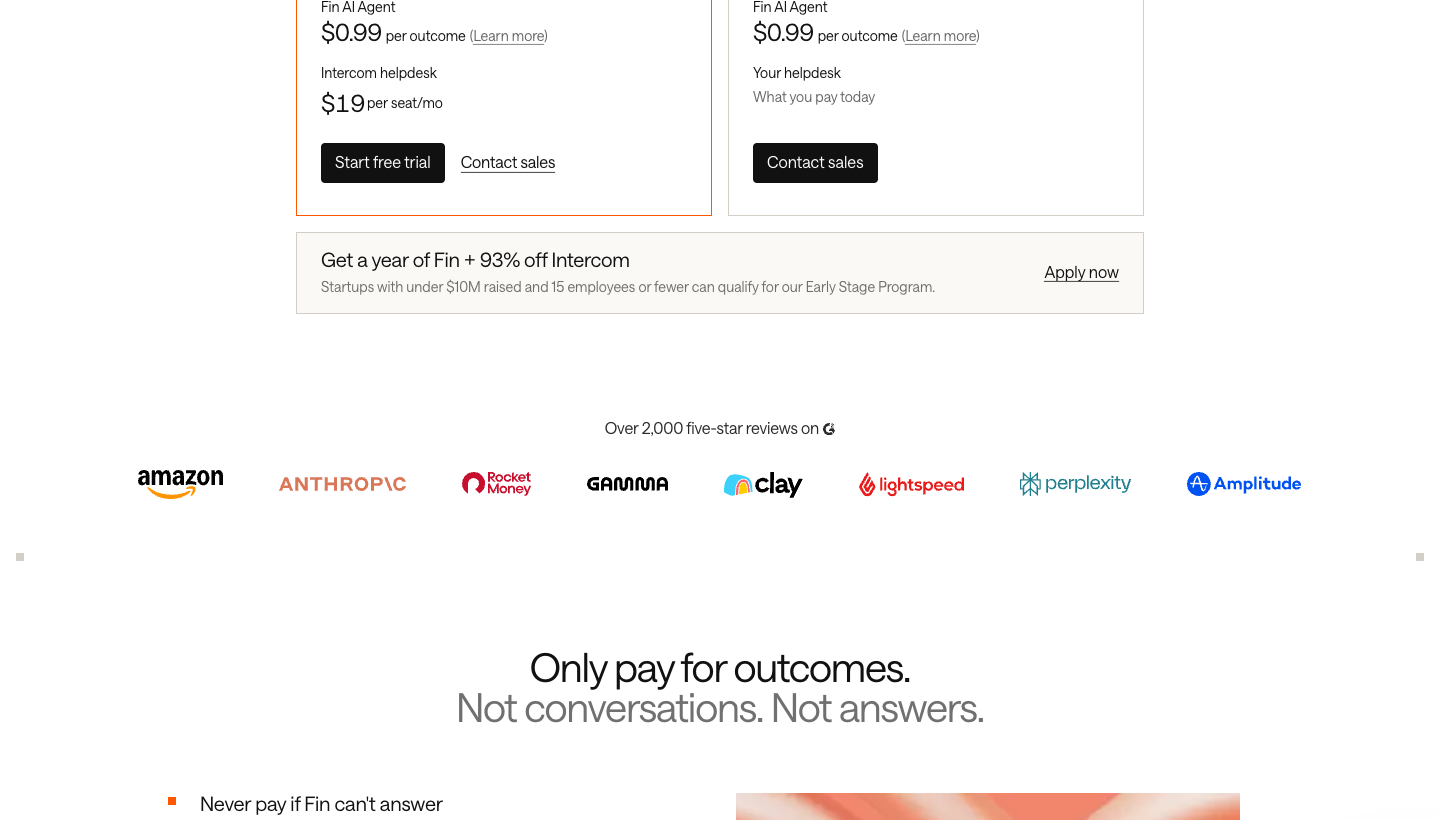
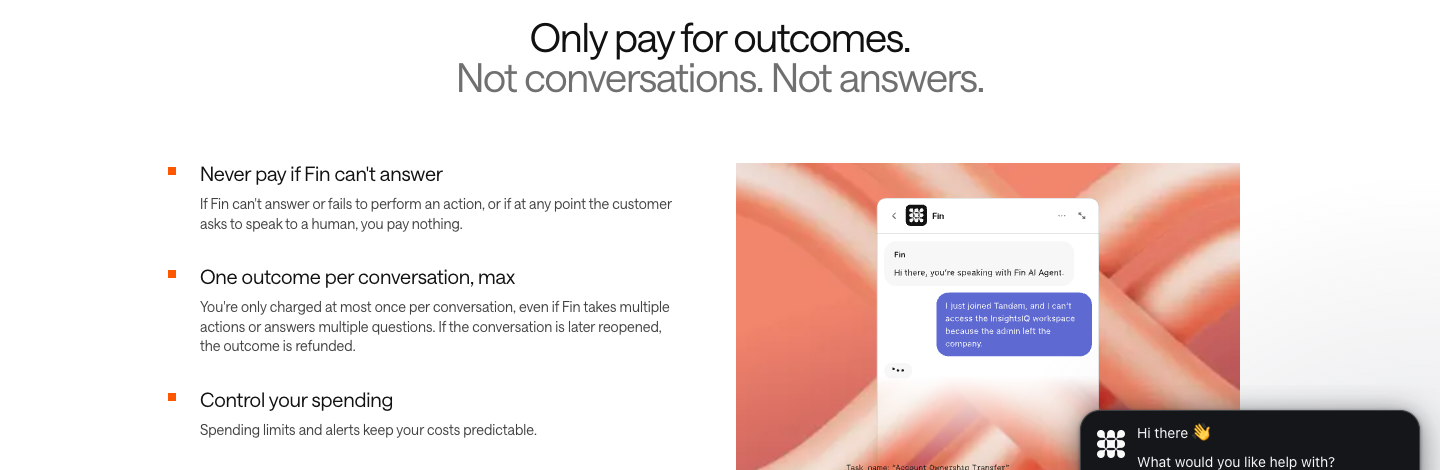
Intercom Fin charges per outcome. It’s $0.99 per outcome, and clients pay nothing if Fin doesn’t answer. Because clients only pay once they get a result, Intercom carries most of the risk when the AI is wrong or uses many tokens. Interestingly, Intercom also gets to decide what counts as an outcome.
Overall, the three models move risk from the customer to the company. Access > people > outcomes. Outcome pricing only works when a company trusts its AI and both sides agree on what a result is.
The model that would best fit Rooted is per-seat pricing. Each decision in Rooted uses a semi-fixed amount of tokens, and every person has a limited number of decisions to make, so cost scales with team size. Outcome pricing wouldn’t work for us because a good decision is too subjective to quantify.
