Netflix, YouTube, and Airbnb all help people “find stuff,” but the way they do it fits the kind of choice the user is making.
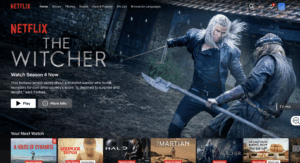
Netflix: show me something
Most of the time people open Netflix without a clear goal. They just want to watch. So Netflix does the work. The home screen is rows of recommendations, auto play, and “because you watched…” rails. Search is there, but small. That is fine because Netflix sells engagement. If you watch more, you keep paying. A long search flow would hurt them. Their job is to remove thinking.
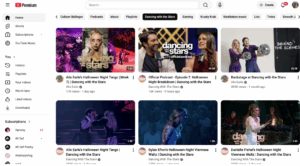
YouTube: let me look, then keep me
YouTube sits in the middle. Sometimes I know exactly what I want (“Taylor Swift 1989 live”). Sometimes I am bored. That is why the search bar is huge and always on top, but the homepage and “Up next” sidebar are algorithmic. YouTube makes money from ads, so after they give me the video I asked for, they try to keep me in a chain of videos. Intent first, algorithm second.
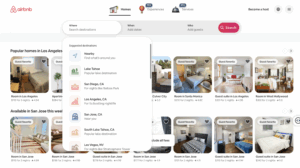
Airbnb: help me narrow
Travel is the opposite of Netflix. People already know the city, dates, number of guests, price range. The risk of making the wrong choice is high. So Airbnb gives a wide set of filters, a map, price chips, and categories. This is not about time on site. It is about confidence to book. Their business is conversion, so they let the user stay in control.