
Spotify – Smart Marketing Strategy
Spotify’s massive number of free users shifts toward Premium thanks to Spotify’s targeted ads and playlist recommendations. It is as if Spotify knows exactly what you have been listening to and provides tailored music suggestions. From small intentional paywalls that restrict lyrics or offline listening to ads while I listen to my favorite track, this is enough to spark interest without coming across as restrictive.
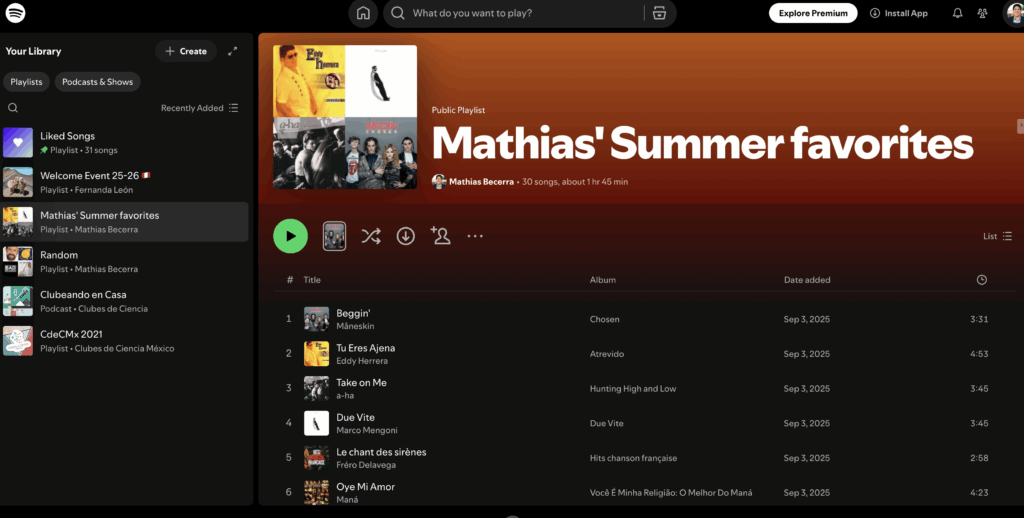
(Spotify – Freemium)

(Advertisement – Explore Premium)
Figma – Accessibility and Affordability – Design Tools for everyone
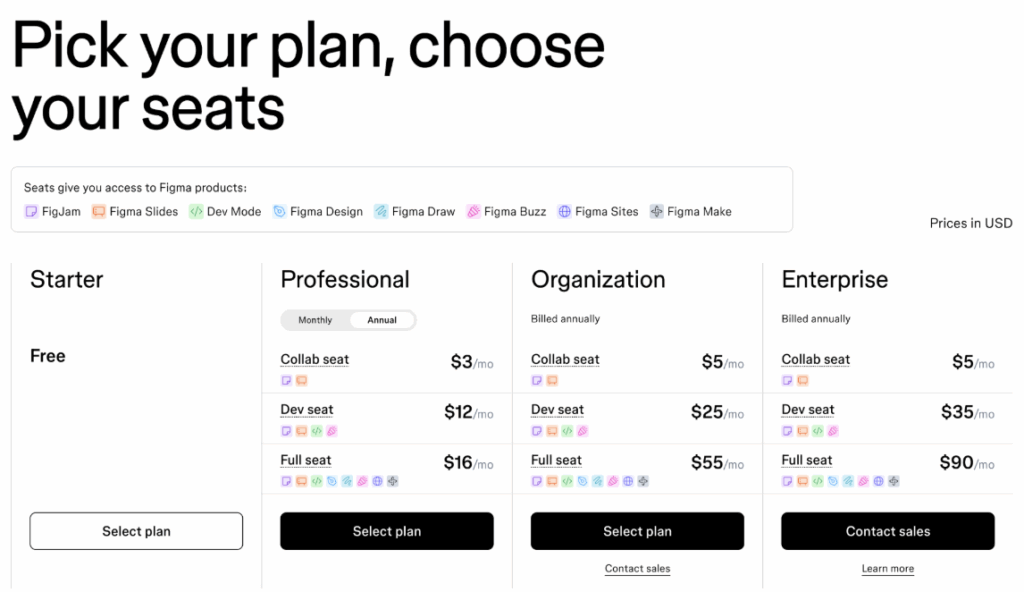
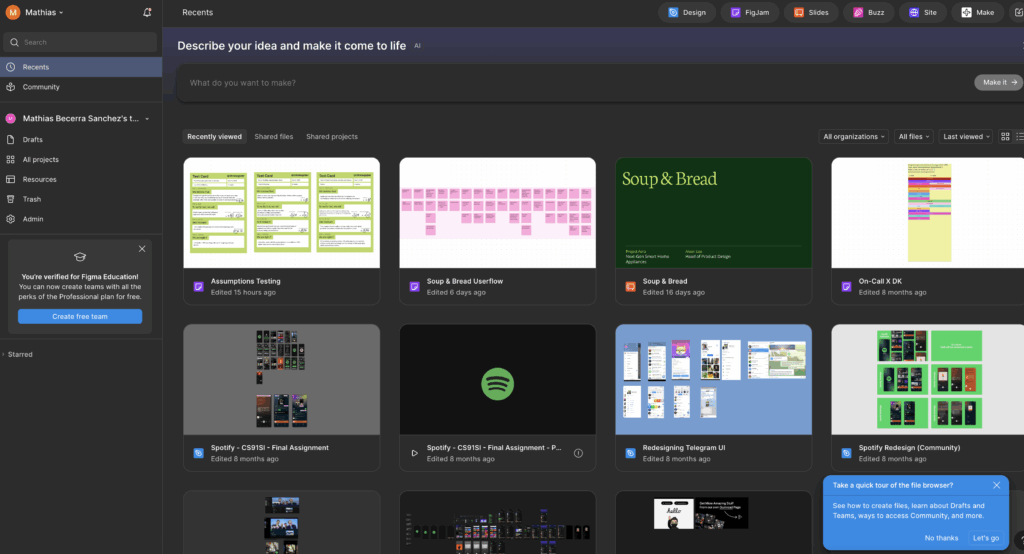
Figma takes a slightly different approach. The freemium model is far more generous, giving individuals and small teams plenty of room to work together and create without paying anything. As these teams become bigger, one may feel the motivation to upgrade to paid tiers with additional features for more seats (especially for companies), but in general, Figma is very friendly and financially accommodating to anyone who wishes to use it!
New York Times – The annoying pay/registration walls and access to information
The New York Times had previously allowed users to read at least 5 free articles per month without registering an account, but unfortunately, that has changed in recent years. In order to read free content at the New York Times, one must register for an account or log in with one, but even after that, most articles, remain behind a paywall. In some way, this allows the NY Times to track its readers more closely and encourage more subscriptions, but it can feel off-putting for a casual reader looking for access when you are faced with a paywall. Unless you are part of a college or university that has some sort of partnership with the NYT (i.e, free premium accounts like what Stanford does ), your access to the full NYT news will always be limited.
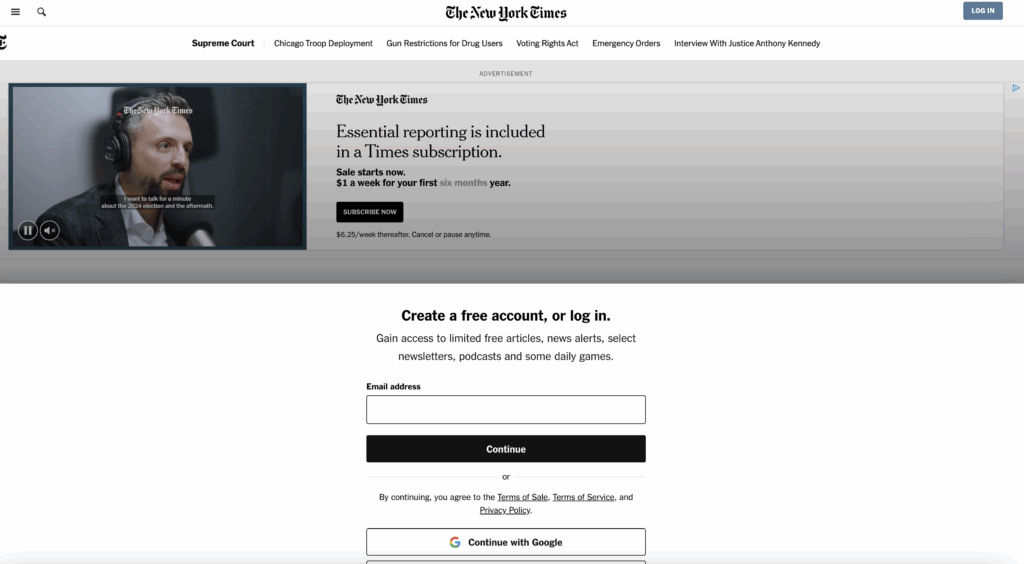
(Without registering)

(With a college-registered/affiliated account)
