
What stood out to me about Tinder’s original pitch deck, when it was still called MatchBox, was how it used a simple introductory story to establish the problem: the fear of rejection when approaching someone.
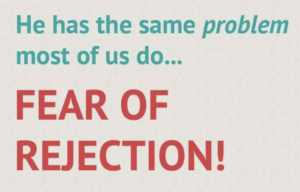
The introductory scenario helps the audience understand the emotional friction behind dating, though it doesn’t establish how widespread the problem is or whether people would actually adopt this solution. The product also doesn’t necessarily eliminate rejection; it hides it behind users’ feed, where “like”s or “not”s are private. Instead, its value lies in reducing the effort required to approach someone. This does not solve people’s fear of rejection.
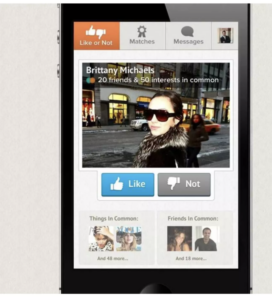
The market size is similarly implied rather than demonstrated. The problem could apply to a broad audience, but the deck doesn’t clarify its target market or provide a concrete TAM, SAM, or SOM. I’d also want to understand the competitive landscape and what differentiates MatchBox from alternatives.
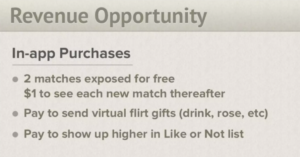
As an investor, I’d ask for revenue projections tied to the proposed monetization strategy. How many matches would users pay to reveal, and what happens when they stop paying? I find that this original monetization might be indirectly limiting use of their platform and more detrimental to their social intention of connecting people because of the “pay-to-play” strategy. The deck needs to connect its proposed business model to sustainable growth over time, and personally I would love to see more investigation on the behaviors the platform designs are encouraging, and how that impacts revenue projections.
For my Sanity Check pitch next week, I’d steal the deck’s structure and flow, especially its opening story. It introduces the intended market, establishes demand, illustrates the problem, and demonstrates the product’s intended use altogether.
