
Spotify, LinkedIn, and TikTok all rely on personalization, but each one uses it to optimize a different core metric that drives its business. Spotify focuses on taste modeling in order to increase listening time. Features like daylist, Daily Mixes, and Discover Weekly automatically tailor music to each user’s preferences, which keeps Premium listeners engaged and reduces churn. Because the cost of these recommendation models is low compared to the value of retaining a subscriber for even one extra billing cycle, the return on personalization investment is very high.

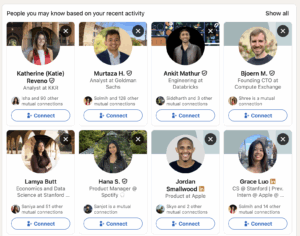
LinkedIn uses personalization to increase session frequency. Its feed ranking system, job suggestions, and connection recommendations are all designed to create a habit of returning to the platform. Since LinkedIn users do not post frequently, relevance has to be automated at scale to fill the feed with content that feels worth engaging with. More sessions lead to more ad impressions and stronger performance for enterprise tools like LinkedIn Recruiter, so personalization delivers significant ROI across both advertising and B2B revenue lines.

TikTok pushes personalization the furthest through its real-time interest graph, which updates with every swipe, pause, and watch-through. The For You feed is built entirely on behavioral signals, allowing the platform to generate unusually long session times and highly precise ad targeting. This produces high eCPMs for advertisers and makes personalization the central engine of TikTok’s growth and monetization. Because the entire product experience is automated personalization, the ROI is arguably the highest of the three.

Overall, all three platforms show how automated personalization can directly advance the metric that matters most to their business model. Spotify reduces churn, LinkedIn increases visit frequency, and TikTok maximizes time spent and ad efficiency. In each case, personalization is not cosmetic. It is the core driver of engagement, retention, and revenue.
