Spotify
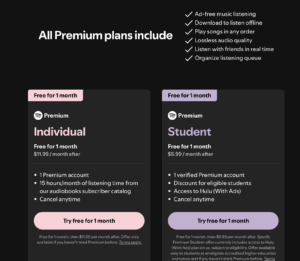
Spotify minimizes initial friction by allowing users to access nearly its full music library for free. The limitations (advertisements, skip limits, and lack of offline listening) serve as controlled inconveniences that highlight the benefits of Premium. This approach encourages users to build habits and emotional attachment to the platform before encountering strong prompts to upgrade. The main risk is that some users remain satisfied with the free version, though periodic trials and social influence often lead to eventual conversion.
Figma
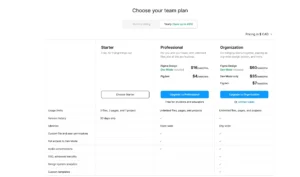
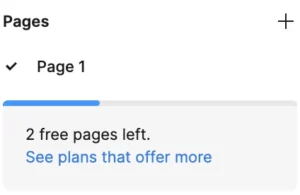
Figma focuses on collaboration as its main conversion driver. The free plan offers robust functionality for individual designers and small teams, creating early goodwill and reducing adoption barriers. As teams expand, they encounter natural limitations such as the need for shared libraries, advanced permissions, and additional seats. These constraints encourage upgrading without disrupting workflow. While this can delay monetization, embedding Figma deeply in professional processes increases long-term retention and makes switching to competitors costly.
The New York Times
The New York Times uses a contrasting strategy built around exclusivity. Its paywall restricts most content after a limited number of free articles, creating significant friction early in the user journey. This approach targets readers who value in-depth, high-quality journalism and are willing to pay for access. Bundled subscriptions (NYT Cooking, The Athletic, All Access, etc.) reinforce perceived value and promote customer retention. Although casual readers may disengage, the model prioritizes building a loyal, high-value subscriber base over maximizing free traffic.